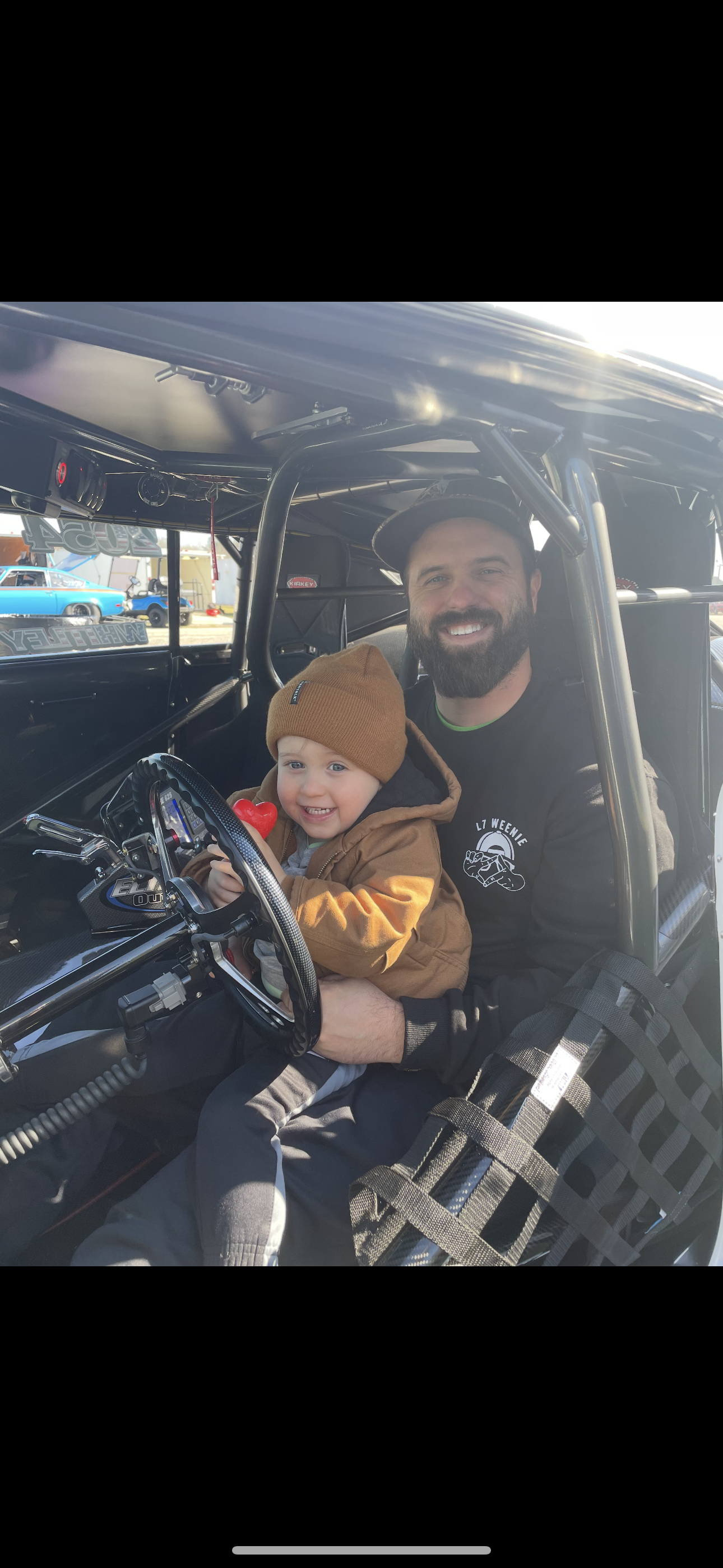
if you’ve spent any time at an American drag strip, you know the feeling — the smell of race fuel in the air and the sound of the cars, but most of all you know the type of people who fill those lanes: determined, generous, and passionate enough to give a competitor the part they need just to make the next round.
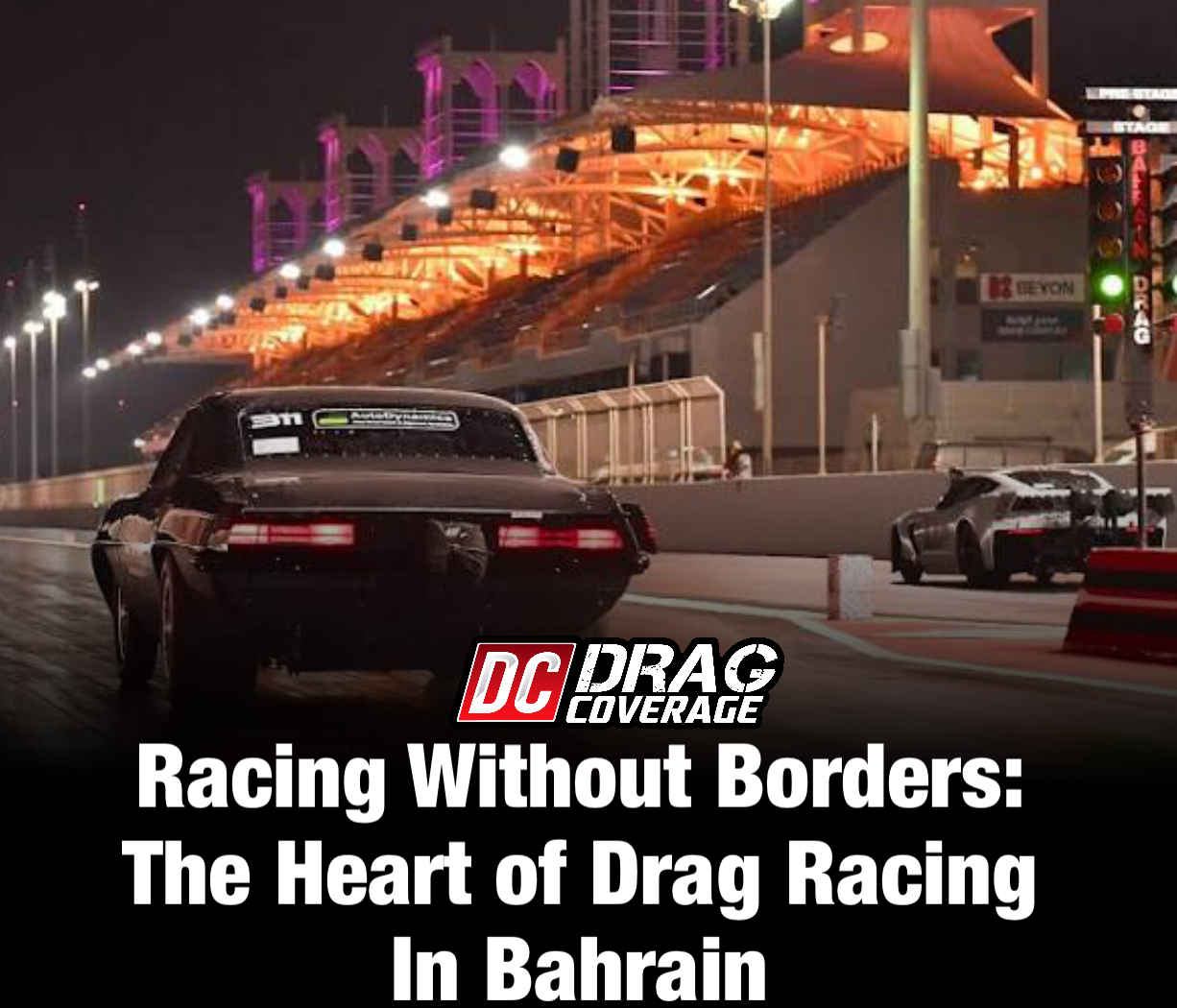
Now imagine that same energy — same spirit — but halfway across the world, where the desert heat gives way to cool winter nights, and where the roar of Mustangs echo off the sand. That’s the scene in Bahrain, where racers like Yousif Al-Khamiri are proving that drag racing’s heartbeat is universal.
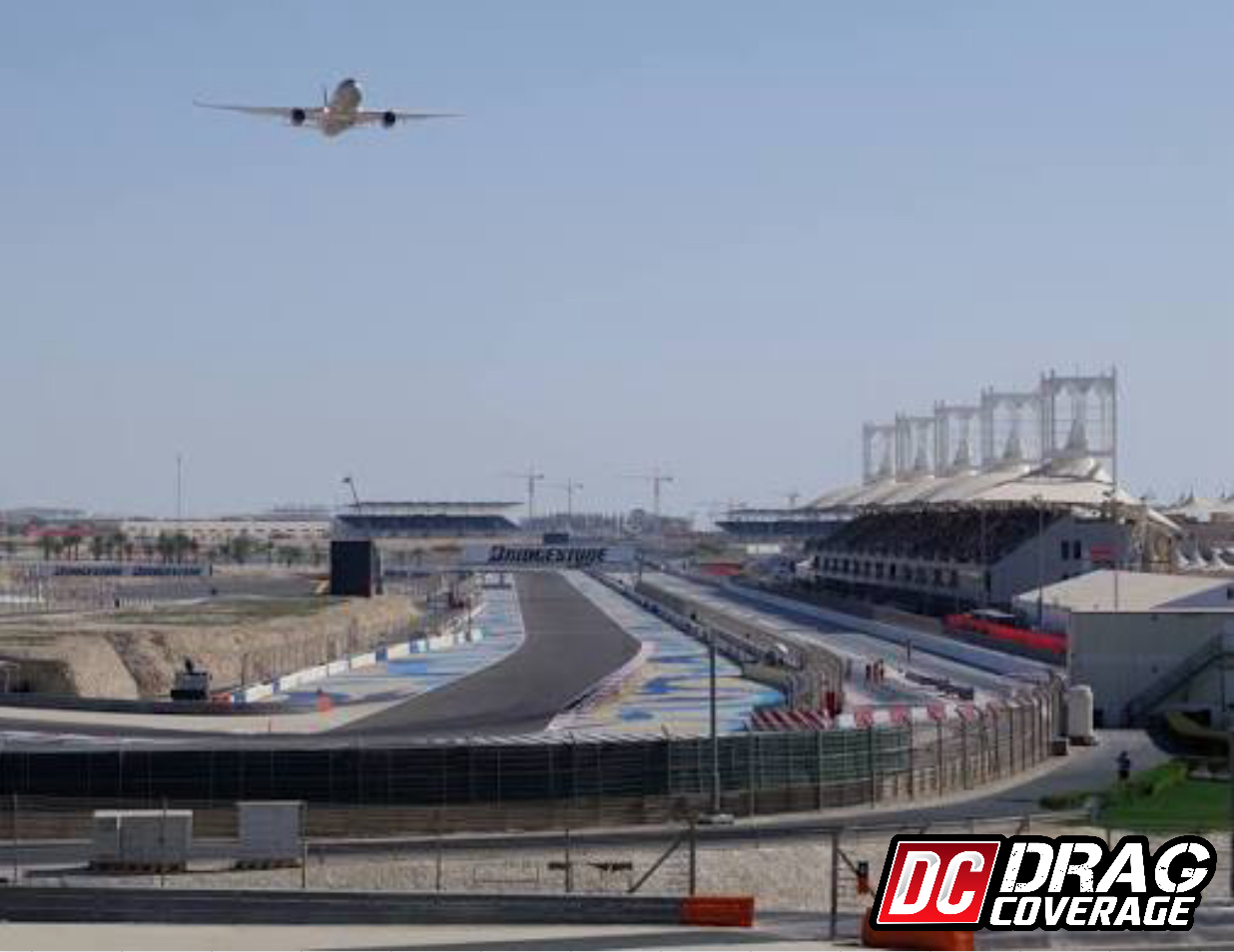

A Country in Love with Racing
“In my country, the love for racing is already there,” Yousif told me. “It’s part of who we are.”
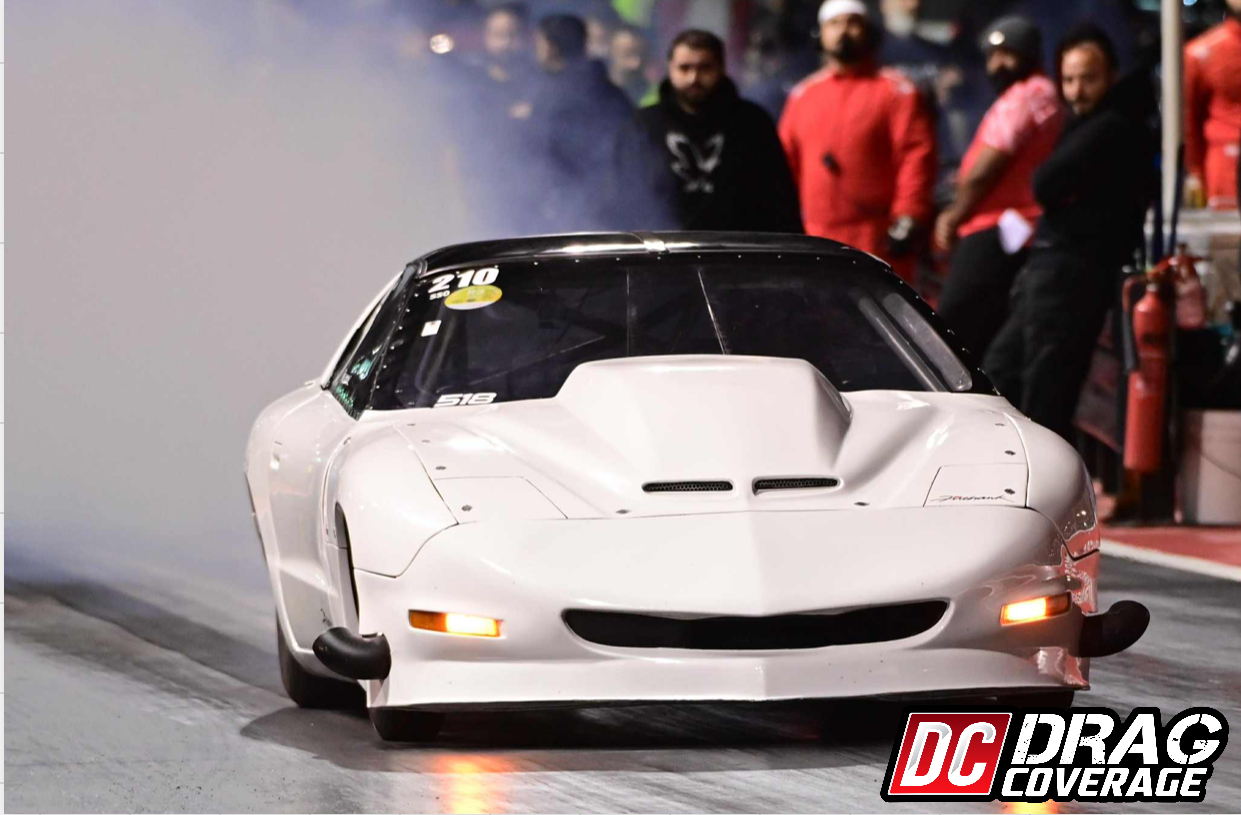
For a nation small in size but rich in passion, Bahrain’s car culture runs deep. From drag racing to circuit racing and drifting, speed has found a home in this Gulf nation. At the drag strip, the focus is often index racing — 10.0, 9.0, 8.5, 7.5 in the 1/4 and a 4.5 eighth-mile class — with fields packed full of door cars, Mustangs, and turbo six-cylinders.
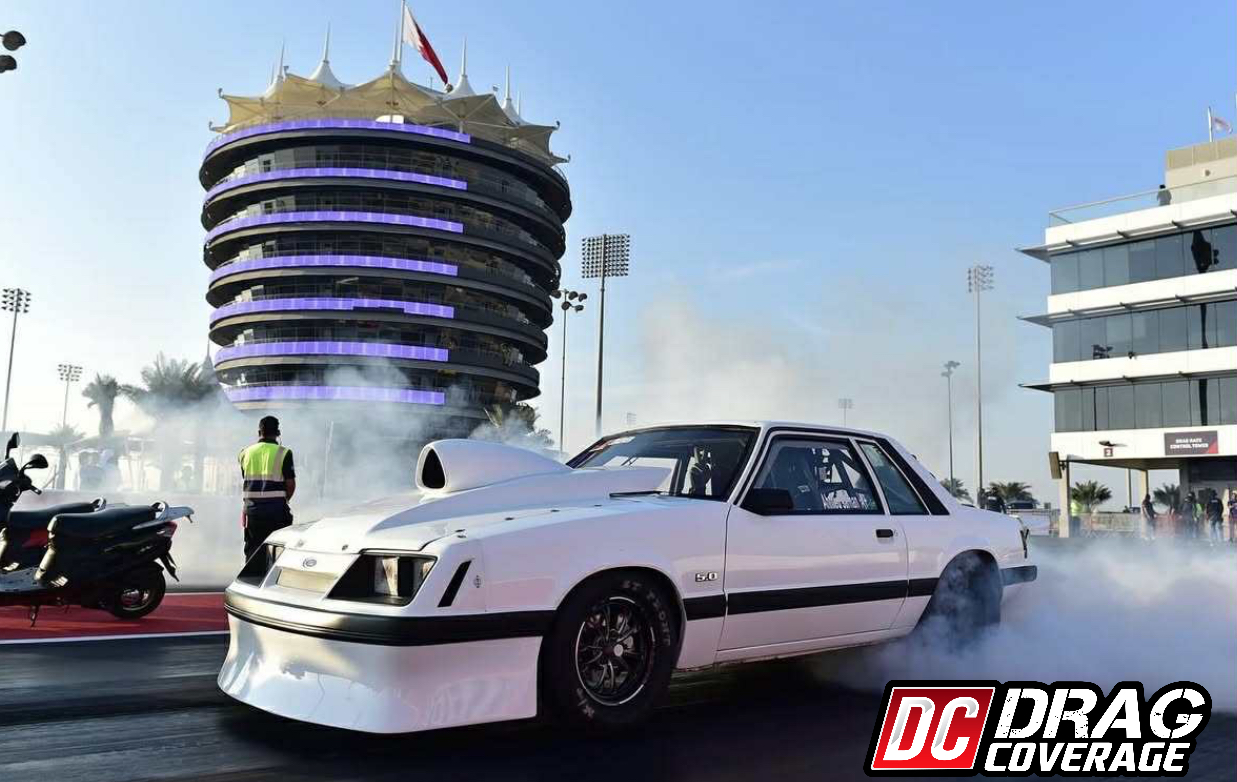
“The Ford Mustang is by far the most popular car,” Yousif said with a grin. “The Mustang is racing here.” LS swaps are common, but so are Skylines and Supras in the six-cylinder classes — a nod to the region’s diverse automotive taste.

In the 10.0 index class alone, it’s not unusual to see over 50 entries, with the fastest 32 making the field. The competition is fierce, but the camaraderie is even stronger. Racers pour into Bahrain from surrounding countries, where the travel is like racing in another State in America.
Making It Work — Together
In Bahrain, the spirit of helping one another isn’t just talk; it’s survival. “Everyone helps each other,” Yousif explained. “Parts can be hard to get, so no one wants to see someone pack up and go home. We all work together to make it work — just so we can compete, because we all love the sport.”
Racers there face challenges that many American racers take for granted — import costs, taxes, and shipping fees that often exceed the price of the part itself. “Sometimes we’re the only ones in multiple countries trying a new product,” Yousif said. “We’re like ambassadors for that product in this part of the world. That’s why we hope American performance companies can see the value of supporting racers here.”
Despite those barriers, Bahrain’s racers adapt and innovate. “It makes for resilient racers,” he said. “There isn’t that much available, so people make it work with what they have.”
Passion Over Perfection
Yousif admits that the track prep isn’t always “top tier” — not quite like the glue-heavy surfaces seen at U.S. events where shoes stick to the ground — but he sees that as part of the charm. “We care more about racing as a whole,” he said. “The crew members and track staff work very hard to make all racers happy, but it is hard with a mix of radial cars and slick prep to make everyone happy.” The sentiment remains though, the facilities are top notch, the timing systems are top tier, and nothing is lacking on the race surface.
The racing season typically runs in the winter, when temperatures drop enough to make the cars — and drivers — happy. And while the community races under NHRA rules and even competes for official Wally trophies, it’s the friendships and unity that define the scene more than the trophies.

Respect for American Roots, Pride in Local Passion
When I asked about his connection to American racing, Yousif didn’t hesitate. “Most of us look up to the guys in America racing at the top level,” he said. “We follow the radial and small-tire classes closely. We love what they’re doing.”
But admiration doesn’t mean imitation. Bahrain’s racers are proud of their growing community — one where Saudi Arabia and Kuwait’s racers travel in regularly, and where skill and heart often make up for limited resources. “There are several racers here who could perform at the highest levels if they had the same resources as in the U.S.,” Yousif told me. “But it doesn’t stop them. It makes them stronger.”
Racing Unites Us All
As our conversation wrapped up, Yousif thanked me for the interview. “Everyone in the world knows about American racing,” he said. “But I’m so glad someone is bringing awareness to racing in other countries.”
That stuck with me. Because at the end of the day, whether you’re wrenching on a Mustang in Georgia or tuning one in Bahrain, we’re all chasing the same thing — that perfect pass, that perfect night, that feeling of belonging among people who get it.
The people are the same. The passion is the same. The only thing that changes is the view from the starting line.
Once again through racing, I got to make another friend, this time halfway around the world.