Arguably one of the biggest seismic shifts in motorsports over the last decade wasn’t a new car, a faster engine, or a rulebook rewrite — it was a television show. When Street Outlaws premiered on the Discovery Channel on June 10, 2013, it did more than introduce a cast of colorful characters and high-powered street cars. It transformed the broader drag racing ecosystem in ways few anticipated.
From Underground to Mainstream: The Birth of a Phenomenon
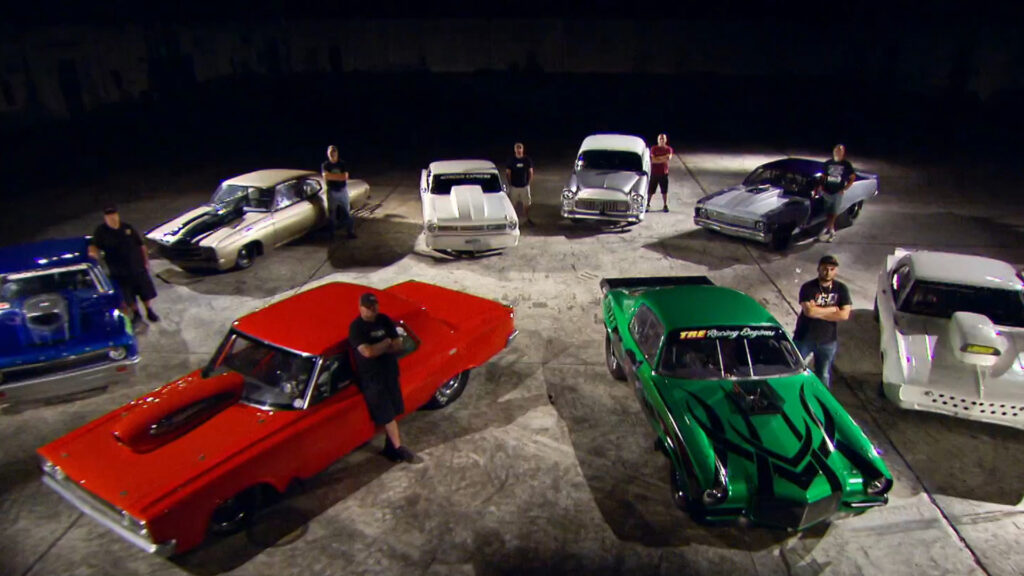
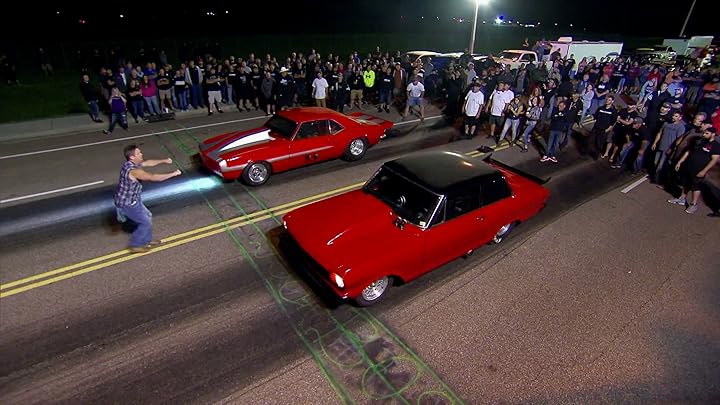
Before Street Outlaws, street racing was largely an underground subculture — often illegal, dangerous, and misunderstood by mainstream audiences. What the show achieved was visibility. By bringing the gritty spectacle of “night runs,” car culture, and the rivalries of Oklahoma’s 405 crew into living rooms nationwide, it effectively put a spotlight on a world most people had never seen. Street Outlaws Talks
In its early seasons, the show drew substantial cable ratings — averaging about 1.5 million viewers in its first season and peaking at nearly 2.9 million viewers by 2015, rivaling other major automotive reality shows on Motor Monday. Grokipedia

That scale of exposure was unprecedented for grassroots drag racing.
The List and Structured Competition
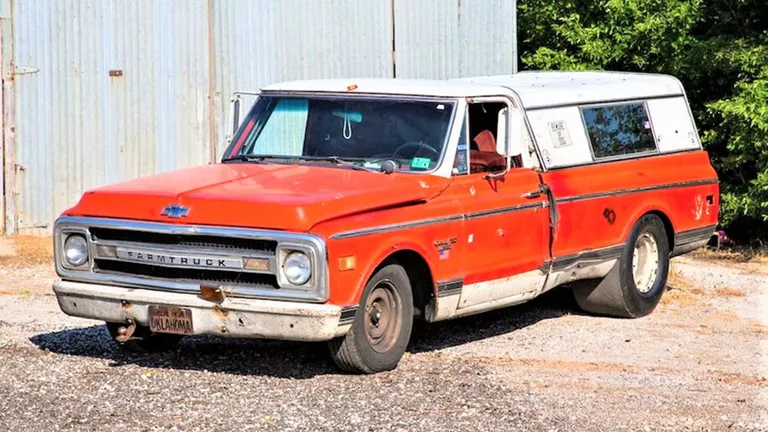
One of the show’s most compelling innovations was “The List” — a top-10 ranking of street racers that introduced a competitive structure to what had been informal city racing. Challenges, call-outs, and strategic rise through the ranks turned what was once spontaneous into something more like a sport. Part strategy, part narrative, this competitive framework would echo in many subsequent racing formats. Street Outlaws Talks
Catalyst for No Prep Racing and Drag Strip Culture
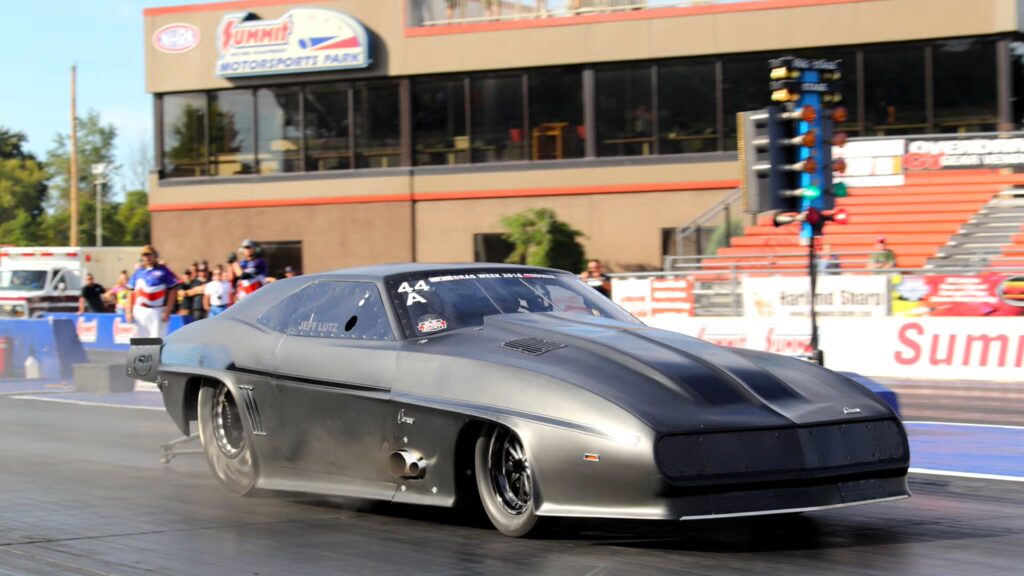
Perhaps Street Outlaws’ most profound influence was its role in popularizing what became “No Prep” drag racing — competitions on drag strips left unprepared (i.e., without the heavy traction compounds common in traditional races), simulating street conditions. Though “no prep” existed in pockets before, the franchise — especially with the 2018 launch of Street Outlaws: No Prep Kings — turned it into a national touring phenomenon.

No Prep Kings drew racers and fans to venues that had previously struggled for attendance. Tracks benefited from larger crowds, and purses — often up to $40,000 per event — brought real monetary stakes into the sport, elevating it beyond hobby competition to legitimate professional racing opportunities. Drag Illustrated
Growth of Participation and Class Evolution
Staging after staging — from small local events to large tour stops — showed how Street Outlaws pushed racers and fans alike to evolve. The explosion of interest in drag radial classes like Pro 275/X275 and related series like Radial Outlaws and Radial vs. The World didn’t occur in a vacuum. While radial classes have their own long history, their mainstream traction increased with the wider visibility Street Outlaws created for high-performance street and no-prep racing activities. Drag Illustrated
Performance benchmarks shifted dramatically, too: where record quarter-mile passes in radial classes were once in the 3.90s in the mid-2010s, today competitors are running half a second or more quicker in similar classes — a major leap in performance that speaks to how competition and exposure accelerate development.
Good: Exposure, Aspirational Culture, and Economic Growth
In many ways, the show revitalized interest in a sport that had long been niche. It:
-
Made drag racing accessible to a mainstream audience by focusing on character, story, and relatability — not just speed. Drag Illustrated
-
Opened doors financially for racers and tracks through larger purses, sponsorships, and touring events. Drag Illustrated
-
Increased participation nationally and even internationally; there are documented events inspired by Street Outlaws formats in places like Brazil where they evolved into formal competitions. Dragzine
-
Encouraged innovation, with racers experimenting with traction control, engine tuning, tire technology, and chassis setups to stay competitive at the highest levels. Street Outlaws Talks
For many young enthusiasts, the show served as an entry point — inspiring them to build cars, join race communities, and attend events they might never have considered before.
Bad and the Ugly: Safety, Legitimacy, and Fragmentation
However transformative Street Outlaws was, its impact wasn’t universally positive.
Safety and legality concerns shadowed the show from early seasons when the National Hot Rod Association (NHRA) warned about the portrayal of unsanctioned street racing, citing conflicts with competitive safety standards. Grokipedia
Critics argued that glorifying high-speed runs on “street-like” conditions encouraged risky behavior. As the show transitioned toward sanctioned drag strip racing, that tension lingered — balancing authenticity with the realities of regulation and safety.
Some fans and participants also lamented the drift away from the original spirit. Early viewers fondly remember genuine street car battles; later seasons, especially with the emphasis on large no-prep events and tour racing, were seen by some as less “street” and more commercial spectacle. Street Outlaws Talks
Even within no-prep racing itself, volatility has occurred. For example, in 2025 the Outlaw 32 Series — once a marquee big-tire no prep racing platform — was canceled due to declining car counts and attendance, illustrating the economic and participation ebbs the movement faces. xtrhorsepower
Legacy and Ongoing Evolution
Over a decade later, Street Outlaws is more than a TV show — it’s a cultural touchstone that redefined motorsport entertainment and grassroots racing participation. Though the original format has shifted through spin-offs, strategic realignments, and audience changes, its influence is clear:
-
New classes and events have flourished in a competitive landscape once dominated by traditional drag racing hierarchies.
-
Fans, racers, and organizers now navigate a world where “street-to-strip” transitions aren’t niche but viable career paths.
-
Media consumption patterns have changed: social content, livestreams, and digital highlights amplify interest even when traditional television ratings evolve.
Street Outlaws did more than show cars going fast. It reshaped how the sport is perceived, participated in, and monetized — and whether one views that trajectory as wholly positive or mixed, its impact on drag racing culture is undeniable.