
Over the last decade, the boundaries of heads-up racing have been pushed further than ever before. Street Outlaws changed the landscape. Radial vs. the World raised the bar. New classes continue to pop up, each faster, more extreme, and more expensive than the last. The technology is incredible. The speeds are unreal.
But progress has a cost—and in modern heads-up racing, that cost is becoming impossible for many racers to keep up with.

Bigger engines. More power adders. Lighter cars. Constant rule changes. Entire combinations being rendered obsolete in a single offseason. In much of today’s heads-up world, competitiveness is often tied directly to budget. Not always—but often enough that racers feel it every year.
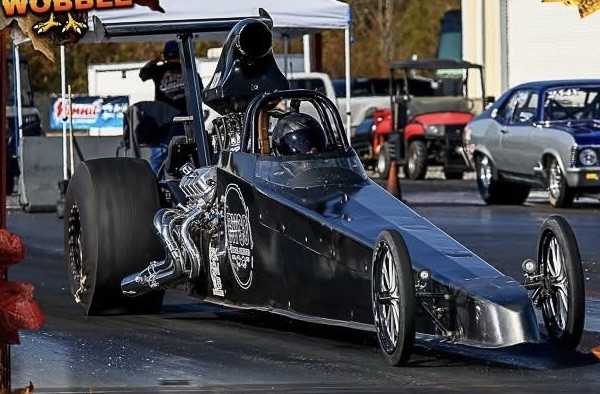
And that’s exactly why bracket racing is winning right now.
Heads-Up Racing Is Faster Than Ever—and More Expensive Than Ever
There’s no denying what heads-up racing brings to the table. It’s raw. It’s exciting. It pushes innovation. But to stay competitive at a high level, racers are constantly chasing the next upgrade.
If a new rule allows a bigger cubic-inch engine, someone will build it.
If a lighter chassis becomes legal, someone will buy it.
If a new power adder combination shows promise, the arms race begins.
That cycle doesn’t stop—and it doesn’t slow down for racers who can’t afford to refresh their entire program every season. Even well-funded teams feel the pressure. For the average racer, it can be overwhelming.
This isn’t a knock on heads-up racing. It’s simply reality.
Bracket Racing: Where Skill Still Beats Spending
Bracket racing operates on a fundamentally different principle: fairness.
You don’t need the fastest car.
You don’t need the newest engine.
You don’t need to chase rules or rebuild your program every year.
You run what you brung—and you race the other lane, not the spec sheet.
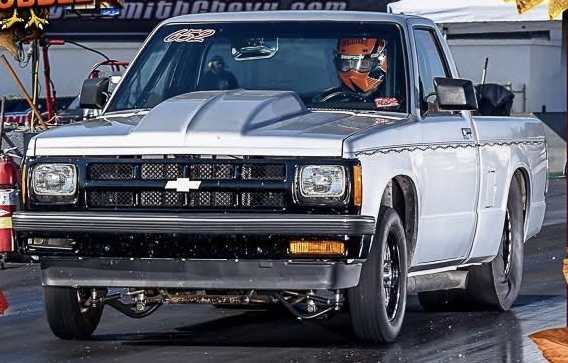
A slower car has just as much opportunity to win as a faster one. Reaction time, consistency, discipline, and decision-making matter far more than how much money was spent on the car. A well-sorted, reliable combination that repeats is often more dangerous than something chasing numbers.
That dynamic is exactly what keeps racers in the sport.
Stability Matters—and Bracket Racing Provides It
One of the biggest advantages bracket racing has right now is stability.
While heads-up classes continue to evolve—and in some cases fragment—bracket racing remains largely unchanged. Dial-ins still work. Packages still work. Proven combinations are still competitive year after year.
You don’t have to buy new parts just to remain relevant. You can improve your program without rebuilding it. That stability lowers the barrier to entry and keeps long-term racers invested.
In a time when many classes are pricing racers out, bracket racing is actively keeping racers in.
Bigger Payouts Than Many People Realize
There’s a persistent myth that bracket racing doesn’t pay.
The reality? Many bracket races pay more to win than heads-up events—sometimes significantly more.
It’s common to see:
-
$3,000–$10,000 to win for entry fees not far off from a test-and-tune
-
Big-money races paying $100,000, or more to win
-
Multiple chances to win across a single weekend
For racers willing to travel, bracket racing offers some of the largest purses in drag racing today—and does it without requiring a six-figure build.
Bracket Racers Actually Race
Bracket racers race a lot.
They travel all over the country. They spend full weekends at the track. They make multiple runs a day. They get real seat time. They build routines, refine processes, and sharpen decision-making under pressure.
It’s not uncommon to see bracket racers with dozens of events on their schedule every year. That volume builds skill—and skill is what wins in this format.
In contrast, some high-level heads-up programs may make fewer passes due to cost, maintenance, and logistics. Bracket racing rewards participation, preparation, and repetition.
The Thrill Is Still There—Just Measured Differently
Bracket racing doesn’t lack excitement—it just defines it differently.
Cutting a perfect light.
Running dead-on with a zero.
Making the right call on the stripe.
Out-thinking the other lane.
Those moments are just as intense as any side-by-side, first-to-the-stripe race. The adrenaline is real. The pressure is real. And the satisfaction of winning is undeniable.
Bracket racers still get to experience speed, but typically at less cost
Spending Money Is Optional—Not Required
Yes, there are bracket racers with expensive cars. That’s true in every form of racing.
The difference is intent.
In bracket racing, spending money is usually about personal goals—speed, comfort, refinement—not about staying competitive. A racer with a modest, reliable setup can still win big races against cars that cost three times as much.
That’s a powerful equalizer in a sport where costs continue to climb.
Why Bracket Racing Makes Sense Right Now
Right now, bracket racing offers:
-
Stability in rules and competition
-
Lower barriers to entry
-
Skill-based outcomes
-
Bigger and more consistent payouts
-
More racing, more seat time, more opportunity
While other classes push the limits of speed and technology, bracket racing is doing something just as important: preserving accessibility and fairness.
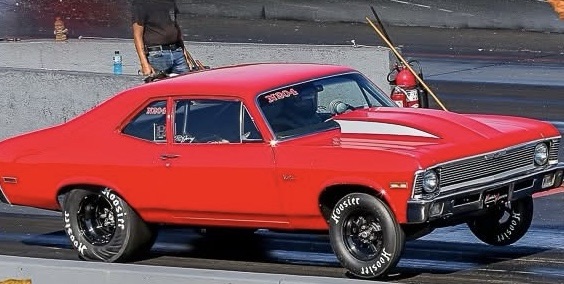
For racers who want to compete, travel, win money, and stay in the sport long-term, bracket racing isn’t just an alternative—it’s home.
And in today’s racing environment, that may be more valuable than ever.