
Tuesday, Mar 24, 2026
  • *News
  • Uncategorized
  • Car Features
  • Driver Features
  • Bracket Racing
  • International Racing Community
  • Race Coverage
  • Track Owner Interview
Search
Login
Advertise with DragCoverage!
Support DragCoverage with Advertising each month!
Support US
DragCoverage Magazine
  • HOME
  • APPAREL
  • ADVERTISE
  • SUBMIT
Reading: Converter Flash: What It Means and Why It Matters
Explore by Topics
Subscribe
Font ResizerAa
DragCoverage MagazineDragCoverage Magazine
  • Home
  • Apparel
  • Advertise
  • Submit!
Search
  • Contact
  • Car Features
  • Race Coverage
Have an existing account? Sign In
Follow US
© 2026 Foxiz. Ruby Design Company. All Rights Reserved.
DragCoverage Magazine > Blog > *News > Converter Flash: What It Means and Why It Matters
*News

Converter Flash: What It Means and Why It Matters

Kline Whitley
Last updated: March 24, 2026 1:51 pm
By
Kline Whitley
Add a Comment
3 Min Read
Share

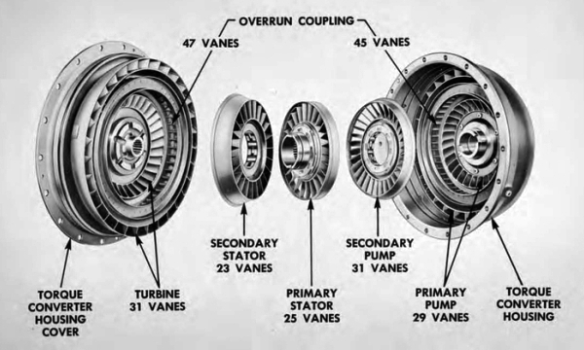
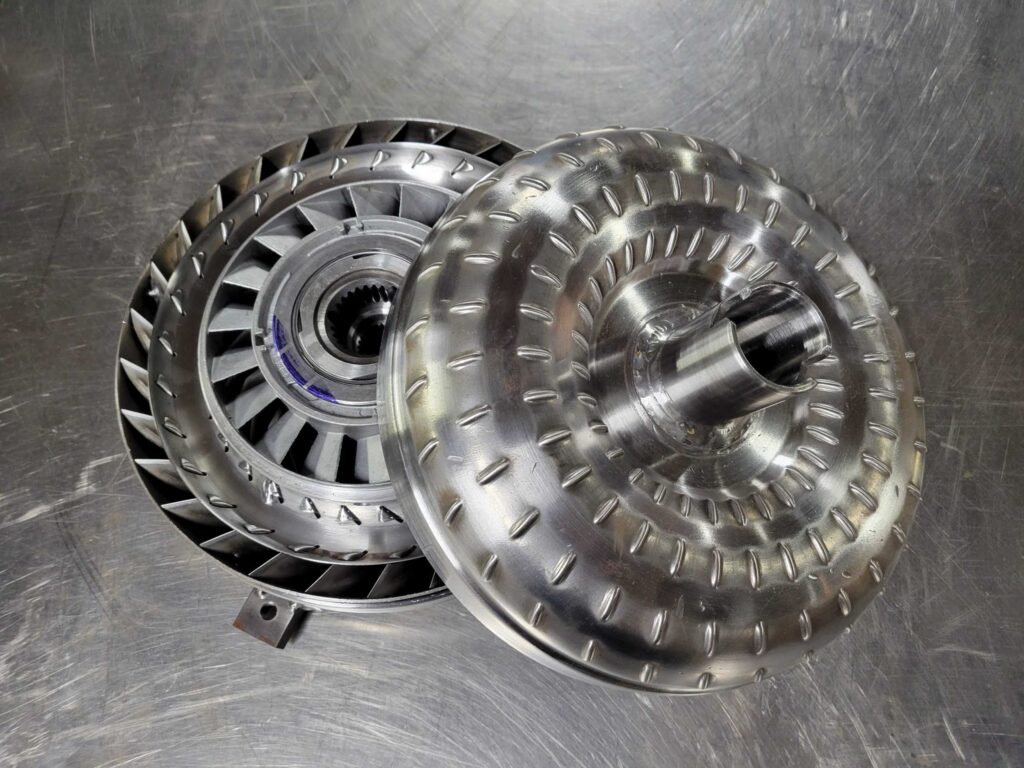
In the world of drag racing, few numbers are discussed more in the pits than converter stall speed. But the number printed on a torque converter spec sheet rarely tells the whole story. What racers are really paying attention to is something called converter flash.

Flash stall is the engine RPM the converter jumps to when the driver goes to wide-open throttle under load. In a drag car with a Powerglide transmission, this moment happens immediately after the transbrake is released.

When the button is released, the converter “flashes” to the RPM where the engine and converter combination naturally want to operate. This RPM is determined by several factors: engine torque, converter design, vehicle weight, gear ratio, and tire size.

Ad 1 Laris Motorsports Large - Chris Gulliti

This is why two racers can run the exact same converter and see very different flash speeds.

A converter that flashes too low can make the car feel lazy leaving the starting line. The engine may fall below its optimal torque range, causing the car to struggle through the early part of the run. The 60-foot time will usually show the problem.

On the other hand, a converter that flashes too high can introduce its own issues. The car may hit the tire too aggressively, leading to tire shake or spin. It may also create excessive slip through the rest of the run, which can hurt mile-per-hour and overall efficiency.

Advertisements
Fueltech Sportsman Logo


Flash speed also affects consistency.

A well-matched converter will flash to nearly the same RPM every run. This consistency is crucial in bracket racing, where predictable performance is more valuable than outright speed. If the converter flashes differently every run due to heat, fluid conditions, or engine behavior, the car’s elapsed time will become unpredictable.

Many racers track flash RPM through their data systems. By comparing flash RPM from run to run, they can quickly see if something in the drivetrain or engine behavior has changed.
Changes in flash can sometimes reveal problems early. A sudden drop in flash speed might indicate the engine is down on power. A sudden increase might suggest traction issues or a converter beginning to wear internally.

In a Powerglide combination—especially one using a large cubic inch engine—converter behavior becomes even more important. These engines make tremendous torque, and the converter must manage that power while still delivering a controlled, repeatable launch.

The best converter setups feel almost invisible to the driver. The car leaves smoothly, the engine jumps immediately into its power band, and the run unfolds with a steady, predictable rhythm.

When a converter is right, the driver simply presses the button and goes racing.

When it’s wrong, the entire run feels like a fight.
Sign Up For Daily Newsletter

Be keep up! Get the latest breaking news delivered straight to your inbox.

By signing up, you agree to our Terms of Use and acknowledge the data practices in our Privacy Policy. You may unsubscribe at any time.
Share This Article
Facebook Threads Copy Link
Previous Article Tire Pressure Tuning: One of the Simplest Adjustments That Changes Everything

Follow US

FacebookLike
XFollow
YoutubeSubscribe
TiktokFollow

Must Read

Converter Flash: What It Means and Why It Matters

Tire Pressure Tuning: One of the Simplest Adjustments That Changes Everything

Rear Shock Tuning Basics: One of the Most Misunderstood Tools in Drag Racing

Fletcher Cox: Smile at the Opportunity

When Did Racing Get So Expensive?

- Advertisement -
Ad image
- Advertisement -
Ad image

You Might Also Like

*NewsRace Coverage

A dad’s proud moment. Louisiana Racer faces himself in final round for $40,000

0 Min Read
*News

The Power of Junior Dragsters: A Legacy of Giving Back in St. Croix

7 Min Read
*News

Groundbreaking Radial and 5.80 race!

4 Min Read
*NewsUncategorized

IHRA HAS AGREED TO PURCHASE 7 DRAG STRIPS

3 Min Read

Subscribe to DragCoverage!

Brings you a selection of the latest news in drag racing right to your email inbox!

About US

DragCoverage (DC) was founded in 2003 by TJ Pruitt, an Electrical Engineering greduate from Auburn University.  DC  is your trusted source for comprehensive and balanced news coverage. 

Support US
  • Home
  • Apparel
  • Advertise
  • Submit!

More Links

  • Advertise with us
  • Contact
  • Submit an Article!
  • Advertising
Subscribe Newsletter
  • Daily Stories
  • Stock Arlets
  • Full Acess
Subscribe to our newsletter to get our newest articles instantly!