There are races, and then there are moments.
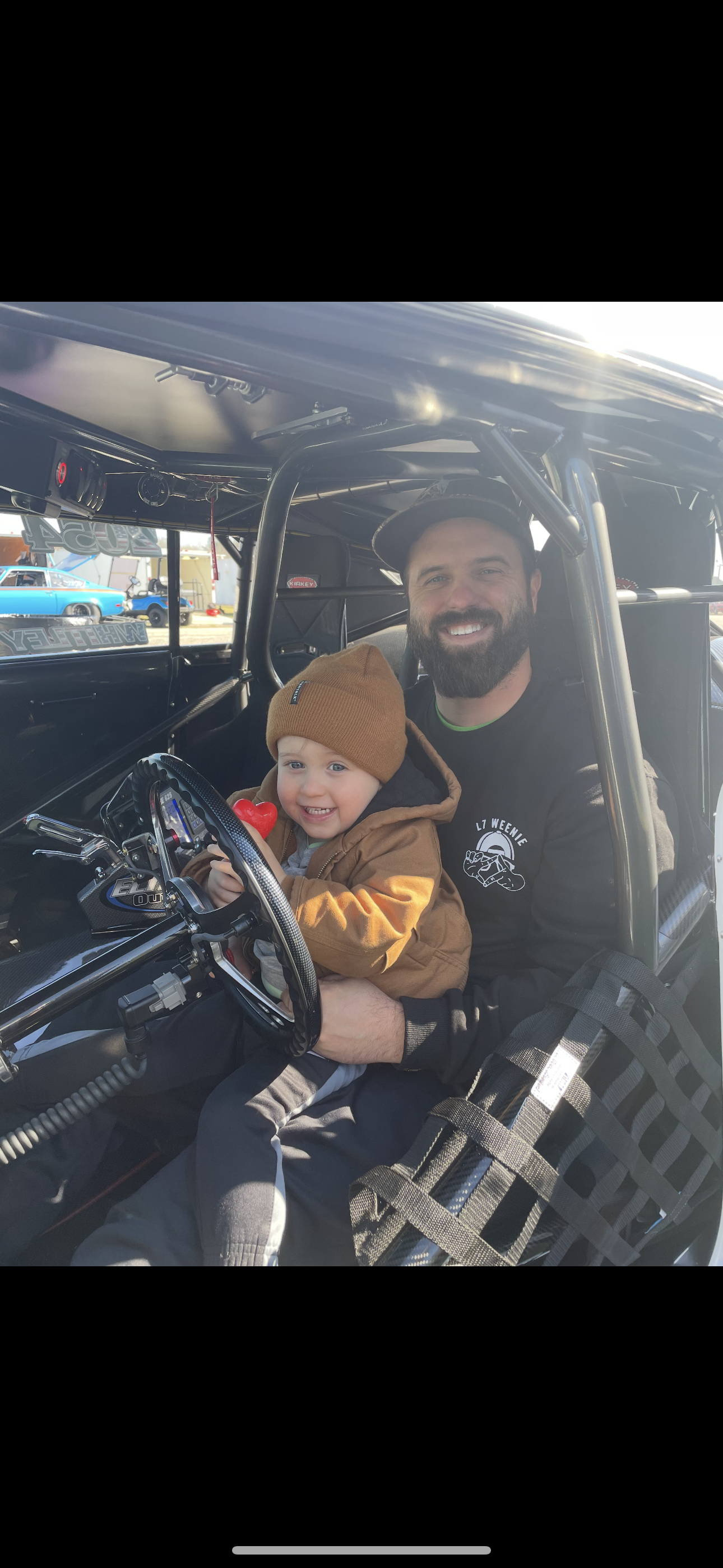
For decades, the NHRA Southern Nationals was more than just a stop on the schedule—it was a rite of passage. Fathers took their sons. Sons grew up and came back with their own kids. The smell of nitro, the shake of the ground, the walk through the pits—it all became part of something bigger than racing.
And then, for a while, it was gone.

Now, at South Georgia Motorsports Park, it’s back.
Not by accident—but by design.
“It Has Been Non-Stop”
When Raul Torres took ownership of South Georgia Motorsports Park, hosting an NHRA national event wasn’t just ambitious—it was a massive undertaking. Bringing the Southern Nationals to SGMP required more than vision. It required execution at a level few track owners ever reach.
“It has been non-stop,” Torres said.
That may be an understatement.
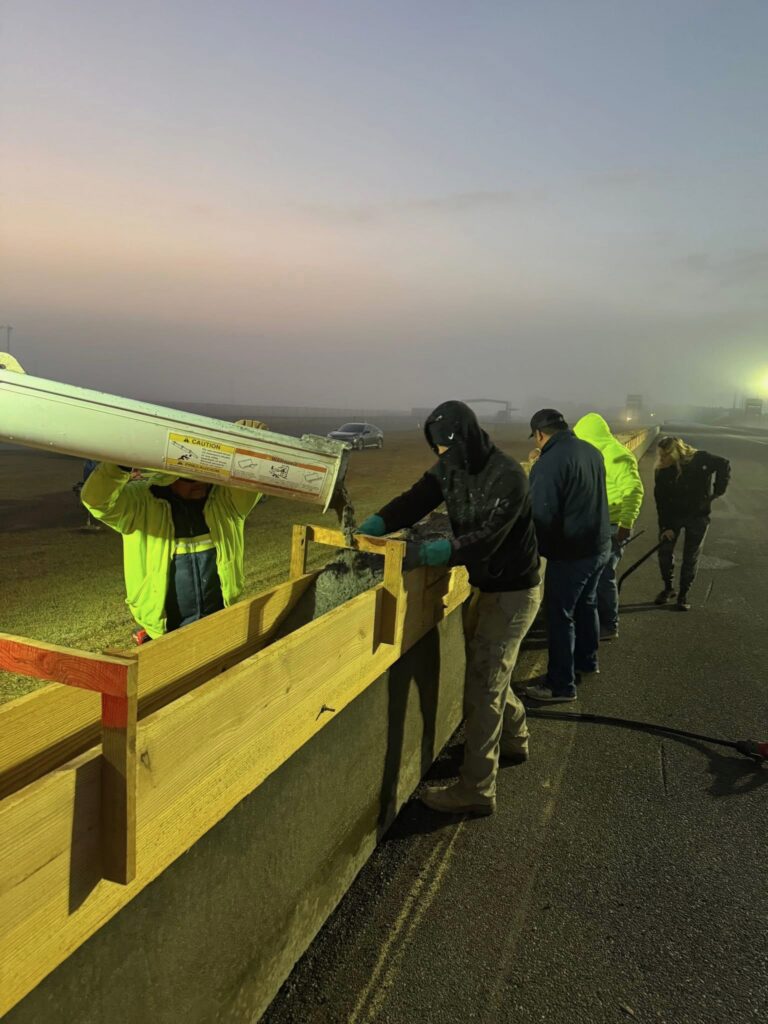
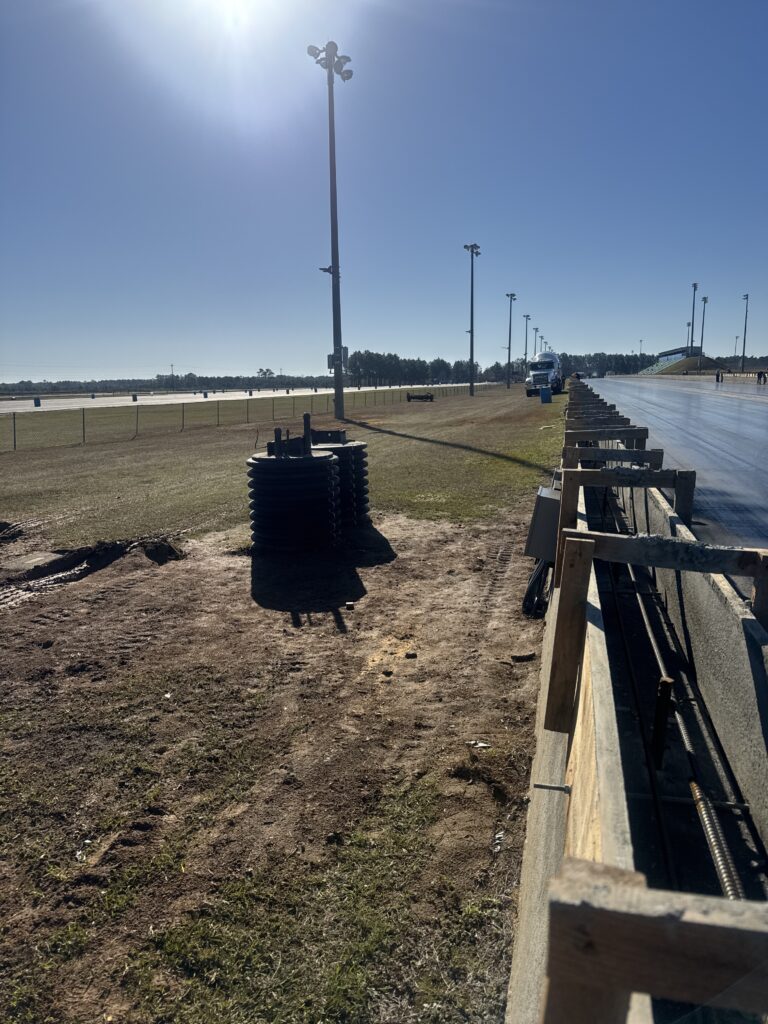
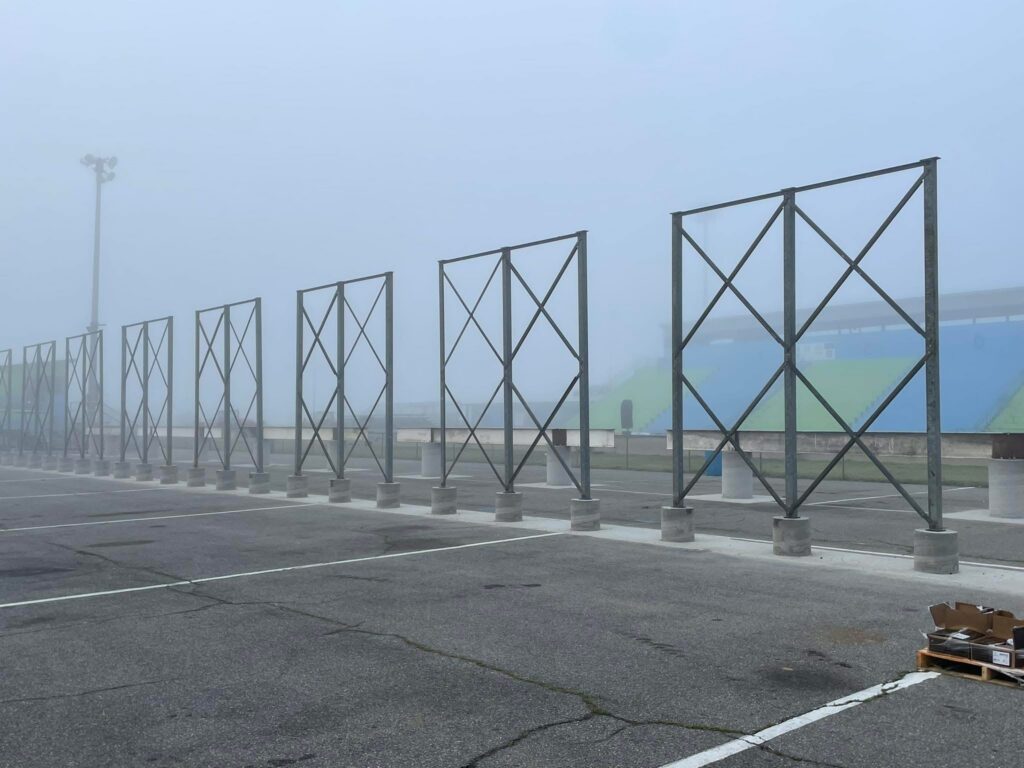
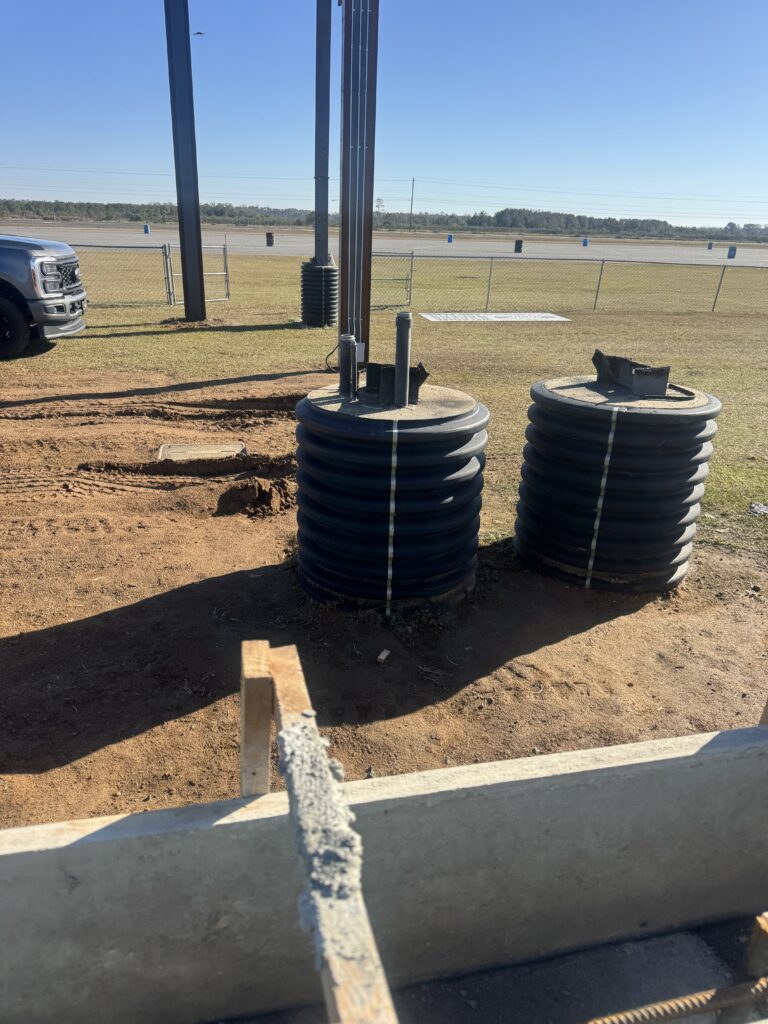
To meet NHRA national event standards, SGMP underwent a series of major infrastructure upgrades:
- Over 6,000 linear feet of wall needed the height increased
- Scoreboards relocated 25 feet—a deceptively complex project
- A turnoff more than 1,000 feet past the scoreboards closed and reconfigured
- Installation of a complete top-end containment system
- Addition of 2,000 new seats to accommodate the expected crowds
These aren’t cosmetic improvements. These are fundamental changes to how a facility operates at the highest level of the sport.
The total investment?
“Close to $1 million.”
That number tells part of the story. The rest is measured in time, stress, and relentless effort.
Pressure? Not Quite
With a million dollars invested and the eyes of the drag racing world watching, it would be easy to assume the pressure is overwhelming.
Torres doesn’t see it that way.
“I don’t feel much pressure,” he said. “You can only control what you can control.”
It’s a mindset rooted in discipline and experience. Torres has spent years traveling the country, studying tracks, learning what works—and what doesn’t.
“We have not stopped working. We’ve done our part. Now the cards just have to unfold.”
There’s a quiet confidence in that approach. Not arrogance—just preparation.
“I sleep well knowing I have an amazing team.”
Learning From the Best
Torres credits much of that mindset to the influence of strong mentors early in life.
“I had amazing coaches growing up,” he said. “You put in the work to control what you can control. When the event comes, it’s time to have fun.”
That philosophy now defines how he approaches one of the biggest moments of his career.
Working With NHRA
For a track stepping onto the national stage, the relationship with NHRA is critical.
Torres’ experience?
“Excellent.”
That single word carries weight. It reflects a level of alignment between track and sanctioning body that will be essential if SGMP is to achieve its long-term goals.
And those goals are clear.
A Permanent Stop
Torres doesn’t view this as a one-time opportunity.
He sees it as the beginning.
“This can absolutely become a permanent NHRA stop.”
That belief is backed by action—by the investment, the upgrades, and the infrastructure now in place.
Over the next 3–5 years, his focus is simple: grow the national event into a cornerstone of the facility.
Building a Destination
But racing alone isn’t the endgame.
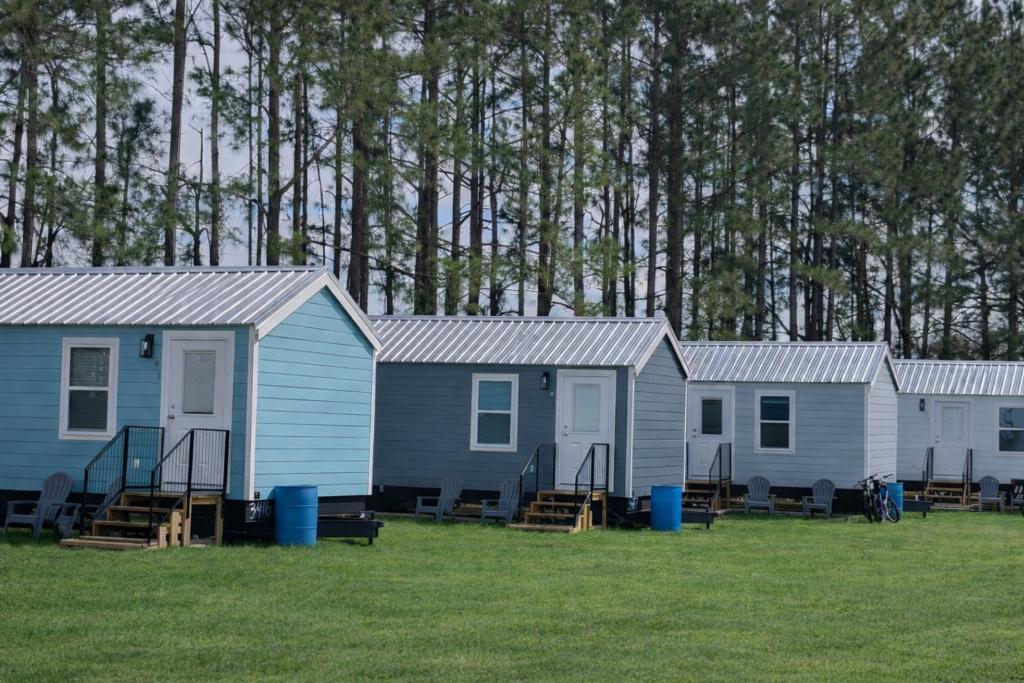
One of the most unique aspects of SGMP is its tiny home community, allowing racers and fans to stay on-site. It’s a concept that blends convenience with culture—turning a race weekend into a full experience.
Torres plans to expand it.
It’s part of a broader vision: not just a track, but a destination.
The People Behind It All
Ask Raul Torres what he’s most proud of, and the answer isn’t the walls, the seats, or even the national event.
It’s the people.
SGMP currently operates with eight full-time staff members, each working more than 40 hours a week to bring this vision to life.
“Finding good help is one of the hardest things in this business,” Torres said.
And when you find it, it matters.
“I put things together, but they’re the ones putting in the equity—the sweat, the labor.”
He pauses, then emphasizes it again.
“I could not be more grateful.”
From his wife to key team members like Don O’Neal, the foundation of SGMP isn’t concrete or steel—it’s people willing to show up every day and do the work.
More Than a Race
The return of the Southern Nationals isn’t just about nitro cars and win lights.
It’s about something deeper.
It’s about the kid who once sat in the stands with his father, now bringing his own children back to experience the same thing.
It’s about the memories that define this sport.
Tracks like SGMP are how those memories happen. They’re the stage. The backdrop. The place where moments turn into stories that get told for decades.
Raul Torres didn’t just invest a million dollars into a facility.
He invested in bringing those moments back.
And in a sport built on legacy, that might be the most important thing of all.
Investing in More Than a Race
Torres understands something many overlook: a track doesn’t survive on events alone. It survives on community.
That’s where the Legacy Wall comes in.
Fans now have the opportunity to purchase a personalized brick—$200 for standard, $300 for marble—that will become a permanent part of the facility. Like the walkways of iconic stadiums, each name represents a piece of the sport’s foundation.
“This goes straight into upgrades,” Torres explained. “This is a tough industry to keep open.”
It’s a simple concept with powerful implications. The same families who once walked through the gates as spectators now have a chance to leave their mark—literally—on the future of the track.
Legacy Wall link: https://www.bricksrus.com/donorsite/goracesgmp