
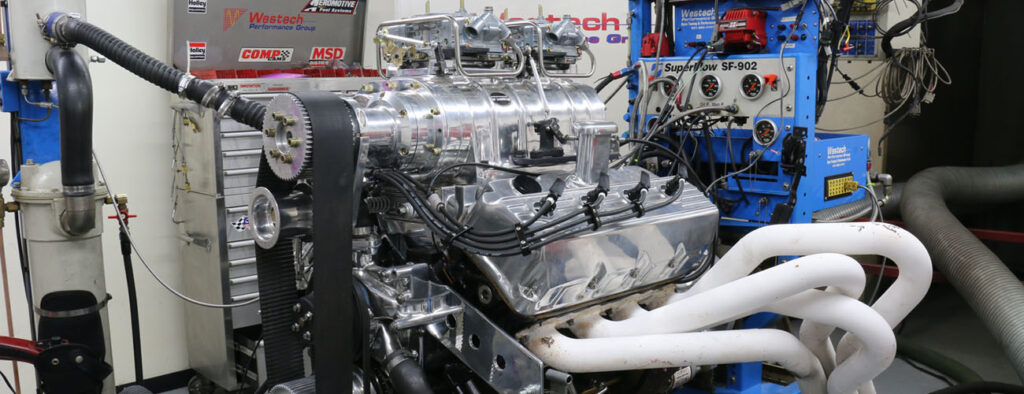
There is something magical about an engine dyno.
A screaming small block at 9,000 RPM. Headers glowing. The operator staring at the screen while everyone in the room suddenly becomes an engine expert. Then the pull ends, the numbers flash on the monitor, and grown men react like kids opening Christmas presents.
“IT MADE 1,482!”

Suddenly everybody is happy… or arguing.
Dyno videos absolutely flood social media now, and honestly, that is not a bad thing. Racers love horsepower. Always have. Always will.
But here is the truth:

Dynos are one of the most misunderstood tools in drag racing.
Because contrary to what the internet may tell you, dynos are not lie detectors. They are tools. Extremely useful tools. But tools nonetheless.
And yes… one dyno absolutely can read 20% higher than another.
That does not automatically mean somebody is cheating.
What Is An Engine Dyno Actually Doing?
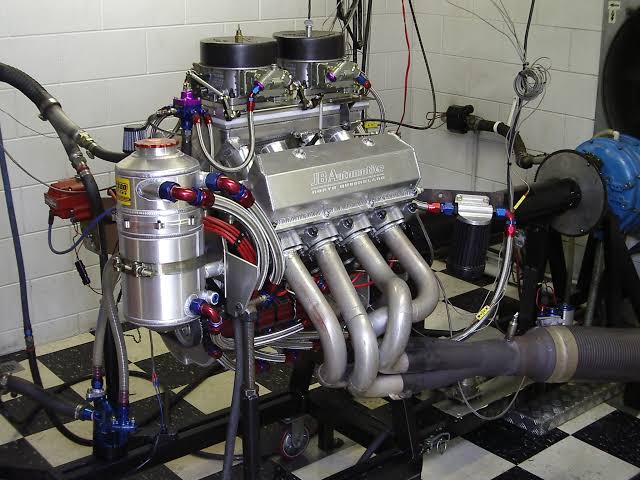
At its core, an engine dyno is simply measuring how much force the engine applies against resistance.
The dyno applies a load to the engine, measures torque, and then calculates horsepower using RPM.
That is it.
The dyno is not “seeing horsepower” directly. It is measuring torque against a controlled resistance and calculating the rest.
Think of it like putting the engine on a treadmill.
The dyno can:
- Hold the engine at a specific RPM
- Sweep through the RPM range
- Apply more or less load
- Simulate acceleration rates
- Measure fuel, air, exhaust, temperatures, and more
A good dyno session is less about the final peak number and more about understanding what the engine wants.
Why Dynos Read Different
This is where racers start throwing punches on Facebook.
One engine makes 1,100 horsepower on one dyno.
Then it goes somewhere else and suddenly makes 940.
So who is lying?
Possibly nobody.
Because dynos vary wildly.
Different Types of Dynos
Not all dynos work the same.
Some common styles:
- Water brake dynos
- Eddy current dynos
- Inertia dynos
- Hub dynos
- Chassis dynos
Each applies load differently.
Even among engine dynos, calibration methods, software smoothing, correction factors, weather stations, and testing procedures vary.
Two bathroom scales can show different weights. Dynos are no different.
Except now we are dealing with 2,000 horsepower engines, airflow calculations, atmospheric corrections, rotating inertia, and software algorithms.
Things get complicated quickly.
The “Correction Factor” Conversation
Here comes the spicy part.
Correction factors are one of the biggest reasons dyno numbers vary.
Air density changes every day depending on:
- Temperature
- Humidity
- Barometric pressure
- Altitude
So dynos apply “corrections” to estimate what the engine would make under standardized conditions.
Sounds reasonable, right?
Well… there are multiple correction standards.
SAE.
STD.
Uncorrected.
Custom corrections.
And some read higher than others.
STD correction can often show around 3-5% higher numbers than SAE.
Then you add:
- Weather station accuracy
- Sensor calibration
- Input settings
- Smoothing
- Operator manipulation
…and suddenly horsepower starts growing like fish stories.
Can A Dyno Really Read 20% High?
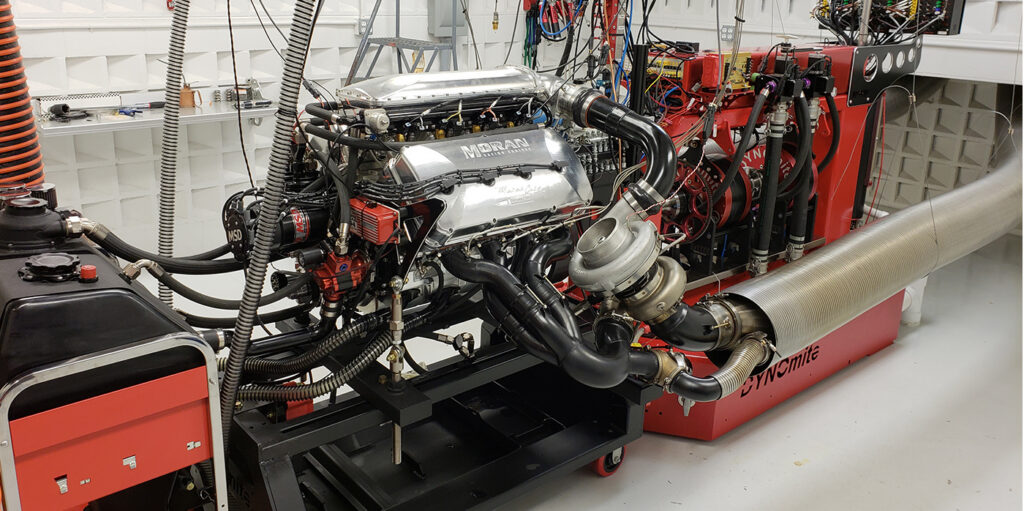
Yes.
Absolutely.
Especially when comparing:
- Different dyno brands
- Different calibration methods
- Different correction factors
- Different operators
- Different acceleration rates
- Different test configurations
Some dynos are known for being “heartbreak dynos.”
Others are known for making customers very happy. (every day is disney land)
And let us be honest…
A dyno operator who consistently shows low numbers may not stay in business long.
That is just reality.
The Sneaky Stuff Most Racers Do Not Think About
Here are a few things that dramatically affect dyno numbers:
Pull Rate
How quickly the engine accelerates during the pull matters.
A faster sweep rate can artificially inflate horsepower because the engine spends less time under load.
Think of trying to sprint uphill versus gradually climbing the hill.
Oil Temperature
Cold oil creates more friction.
Hot oil can free up horsepower.
Some engines pick up surprising power once fully stabilized.
Water Temperature
Engines are sensitive.
A few degrees can change combustion efficiency and power output.
Exhaust System
Open headers versus full exhaust can change power significantly.
Collector length matters too.
Air Filters
Yes, even air filters can move the number.
Especially on high airflow combinations.
Fuel
Different fuels contain different energy content.
Oxygenated fuels especially can dramatically increase power.
So What Should You Actually Care About?
Here is the truth:
The dyno is most valuable as a tuning tool.
Not a bragging tool.
The real value is:
- Finding safe air/fuel ratios
- Optimizing timing
- Seeing where torque peaks
- Understanding BSFC
- Monitoring trends
- Detecting problems
- Improving drivability
- Testing changes back-to-back
That is where dynos shine.
A dyno lets you make controlled changes in a controlled environment.
That is unbelievably valuable.
Because the racetrack is chaotic:
- Weather changes
- Track prep changes
- Tire spin happens
- Driver variables exist
The dyno removes many of those variables.
The Smartest Way To Use A Dyno
The best racers do not chase “the number.”
They chase improvement.
If your engine made:
- 1,000 horsepower last month
- 1,028 today after a cam change
…that information matters.
Especially if:
- Same dyno
- Same operator
- Same correction
- Similar conditions
Consistency matters more than internet glory.
The dyno becomes your baseline reference.
The Dyno Is Not The Racetrack
This is another massive misunderstanding.
A dyno does not know:
- Converter efficiency
- Chassis setup
- Tire shake
- Aerodynamics
- Gear ratio effectiveness
- Suspension behavior
That is why some engines make huge dyno numbers but disappoint on track.
And sometimes combinations with “smaller” dyno numbers absolutely dominate.
Because racing is about the total package.
Not just peak horsepower.
So How Do You Trust A Dyno Sheet?
You trust trends more than absolute numbers.
A dyno sheet becomes useful when:
- It is repeatable
- The testing procedure is consistent
- Changes are documented
- Conditions are known
Good dyno operators are worth their weight in gold because they provide honest, repeatable information.
Not fantasy numbers.
The best engine builders are usually the least obsessed with giant dyno sheets.
Because they know the scoreboard at the racetrack is the only dyno that truly matters.
Final Takeaway
Dynos are awesome.
Always will be.
There is something almost hypnotic about hearing a high-strung race engine scream through a pull while everyone crowds around the monitor waiting for the number.
And honestly?
That excitement is part of what makes drag racing special.
But the smartest racers understand this:
A dyno is not a trophy machine.
It is a diagnostic tool.
Use it to:
- Learn
- Tune
- Compare changes
- Improve combinations
- Build consistency
Because at the end of the day, the car does not care what the dyno sheet says.
The time slip has the final word.