There should probably be a support group for drag racers.
Not because we want to quit.
Mostly because we need someone to explain why normal people think spending thousands of dollars to chase a hundredth of a second makes sense.
Because once drag racing gets into your blood, it never really leaves.

You can “take a break.”
You can sell the car.
You can swear you’re done.
Then one Friday night, you hear a lopey big-block idle from two counties away and suddenly your heart rate goes up like you just heard your ex’s name in public.
It’s over.

You’re back.
There’s an old joke in racing:
“I didn’t want my mom to know I had been drag racing… so I told her I was in jail.”
And honestly? Jail probably would have been cheaper.
Most racers know this sport makes absolutely no financial sense.
If my dad had never introduced me to drag racing, I would probably have a much healthier savings account today.
But I also would not be the same person.
Not even close.
Because drag racing becomes more than a hobby.
It becomes part of your identity.
People outside the sport think we’re addicted to speed.
And sure, acceleration is part of it.
There’s nothing quite like the violence of a fast car leaving the line. The way your vision narrows. The way your stomach floats. The way the engine sounds like it’s trying to tear the Earth apart while somehow still going perfectly straight.
But honestly?
That’s not the part most racers miss when they’re away from the track.
We miss the atmosphere.
The smell of race gas at sunset.
The sound of open headers.
A generator humming outside a trailer at midnight. (the quiet ones)
The glow of pit lights reflecting off polished valve covers.
For a lot of us, those smells and sounds are tied directly to childhood memories.
That smell of race fuel or burnt rubber does something to your brain because it reminds you of being a kid sitting on a golf cart… or sleeping in a trailer while your dad and his friends argued over jetting and weather stations.
It smells familiar.
It smells like home.
And then there’s the people.
That may be the most addicting part of all.
You spend all week looking forward to seeing the same group of idiots at the racetrack. (and I do mean idiots)
The friend who always borrows tools.
The guy who swears he has it figured out every single weekend.
The crew chief diagnosing problems from 100 feet away with a cigarette hanging out of his mouth.
Track friends become family
You celebrate together.
You lose together.
You sit in the pits until 2 AM talking about races from 15 years ago like they happened yesterday.
Some of the best laughs you’ll ever have happen in folding chairs behind a race trailer.
And racers are hopeless optimists.
That’s part of the addiction too.
No matter how bad last weekend went, we convince ourselves next weekend will be different.
Broke a transmission?
We’ll fix it.
Dropped a valve?
“Probably just hurt the piston a little.”
Got first-rounded for the fourth week in a row?
“That thing is CLOSE.”
Every racer believes the next pass might be the pass.
The perfect light.
The career-best run.
The weekend where everything finally comes together.
That hope keeps people coming back forever.
Then there’s the sensory side of it all that’s hard to explain to non-racers.
Why does a big cam idling in the dark sound peaceful?
Why does rolling through the gate at a racetrack instantly lower your stress level even though you’re about to spend money at an alarming rate?
Nobody really knows.
Maybe it’s nostalgia.
Maybe it’s adrenaline.
Maybe it’s because racetracks are one of the last places left where people from completely different backgrounds all come together over one common obsession.
Or maybe race cars are just therapy for people who don’t like therapy.
Drag racing also teaches things most people never realize.
Patience.
Discipline.
Mechanical understanding.
Problem solving under pressure.
You learn how to lose gracefully. (sometimes)
You learn humility.
You learn that talent matters, but consistency matters more.
You learn how to shake someone’s hand after they just crushed your dreams by .001 at the stripe.
That changes people.
The older you get, the more you realize the race car itself almost becomes secondary.
Because eventually, the memories matter more than the ET slip.
You remember:
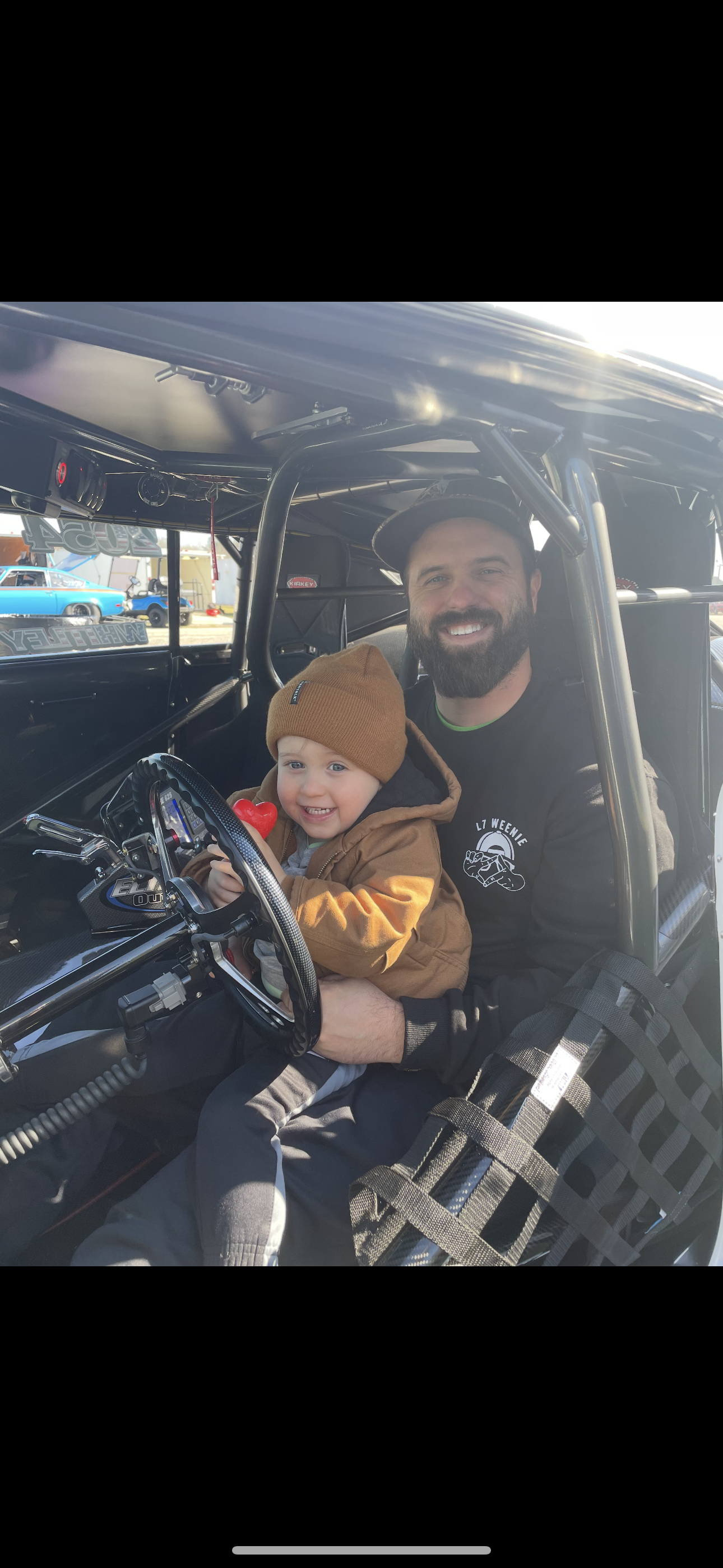
Your dad waking you up before sunrise to go racing.
Your first win light.
Your first engine failure.
Your friends pushing your car back to the trailer.
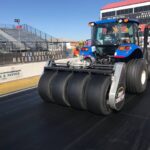
The smell of VHT on the track at 8 AM eliminations.
Those moments stay with you forever.
That’s why racers always come back.
Not because it’s logical.
Not because it’s cheap.
Not even because it’s fast.
We come back because drag racing becomes woven into who we are.
And once it gets in your blood…
There’s really no cure for it.