


I thought I was calling Tim McAmis to talk about race cars.
That was the plan, anyway.

After all, when you sit down with one of the most respected chassis builders in drag racing, it feels natural to start there. The cars. The craft. The cost. The evolution of Pro Mod. The state of the sport. The parts. The people. The problems.
And we talked about all of that.
But the longer the conversation went, the more obvious it became that Tim McAmis is not easy to place into one category.

Yes, he is a racer. A world champion. A man who was there when Pro Modified was still being shaped into what it would become.
Yes, he is a builder. Since opening Tim McAmis Race Cars in Hawk Point, Missouri, in 1992, his name has been attached to some of the finest doorslammer craftsmanship in the country.
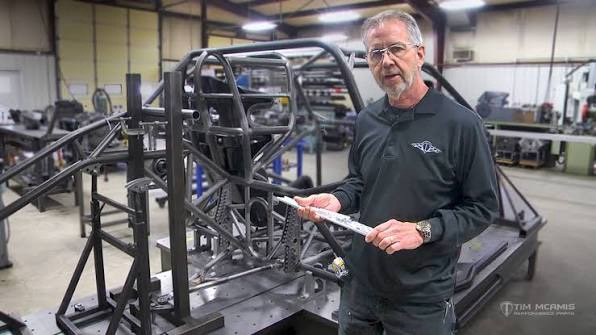
And yes, he is a businessman. A man who understands that race cars do not build themselves, parts do not magically get cheaper, good people are hard to find, and no company survives very long by pretending otherwise.
But maybe more than anything, Tim McAmis has become one of drag racing’s most recognizable truth-tellers.

Not the polished kind.
Not the corporate kind.
The kind who says what a lot of people are already thinking, but says it with enough experience behind him that it carries weight.
That is what made the conversation fun. It did not feel like an interview. It felt more like two racers sitting down over coffee (or a beer), talking about the sport, the work, the money, the frustration, the humor, and the strange little world all of us have chosen to love.
McAmis has opinions. Plenty of them.
But behind the bluntness is something that became clear very quickly.
He cares deeply about racers.
Not just the ones buying six-figure cars. Not just the ones winning Pro Mod races. Not just the ones whose names are printed on entry lists and event flyers. Not even the ones who are HIS customers.
He cares about the racer in his garage, fighting a car that will not go down the racetrack. The guy who has spent too much money, lost too much sleep, asked too many people for help, and is one bad weekend away from pushing the whole thing off a cliff and walking away.
That is where the conversation really found its heart.
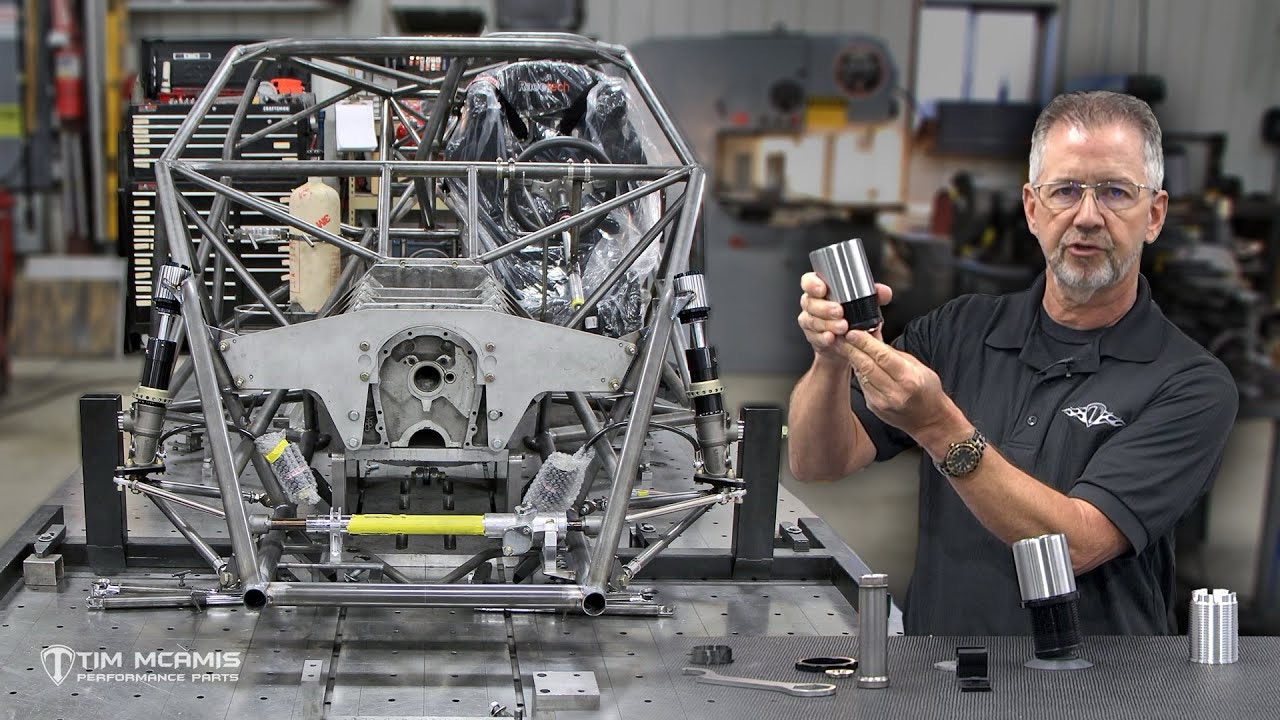
Years ago, McAmis and his team began producing technical videos (that I am sure you have seen). At first, the idea was simple and practical. The phone was ringing. Customers needed help. People wanted to know how to set up a four-link, adjust wheelie bars, understand preload, work through rear steer, perform a front-end alignment, and sort through the thousand small details that separate a car that looks finished from a car that actually works.
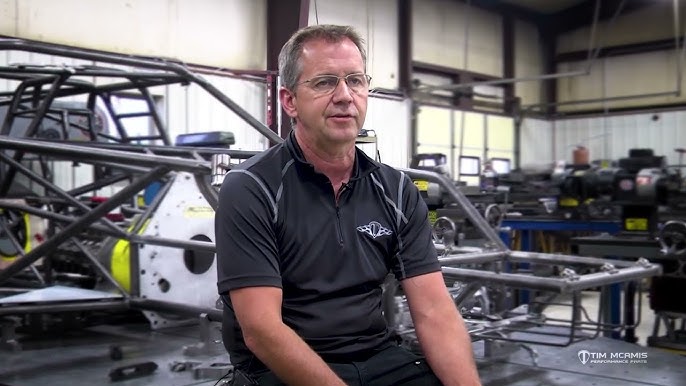
Racing is complicated. Anyone who has built, bought, tuned, or even stood beside a serious drag car knows that.
The problem was that helping everyone one phone call at a time was not sustainable. His sales staff was spending huge portions of the day answering technical questions. Some of those questions were simple. Some were not. Some required experience that only comes from actually running cars, making mistakes, and learning what works.
So McAmis decided to build a library of technical content.

It was not a small decision. Camera equipment, computer systems, storage, editing, production time — the investment added up. The plan was to release the content through a subscription model. Racers would pay, get access, and learn.
Then, the day before release, McAmis changed his mind.
He decided to give it away.
That decision did not exactly thrill everyone in the office. His wife, Diane, who handles the accounting, had already seen the checks written. Justin, who handles the website, video work, and editing, had poured countless hours into getting the content ready.
McAmis knew it sounded crazy.
But his reasoning was simple.
If racers could learn how to work on their own cars, they would be less frustrated. If they were less frustrated, they would stay in the sport. If they stayed in the sport, maybe someday they would become customers. Maybe they would not.
Either way, they would be better racers.
That is not just marketing. That is philosophy.
And over time, the decision paid off in ways that cannot be measured only by sales.
McAmis told a story from Maryland International Raceway that says more about the impact of those videos than any spreadsheet could.
He was on the starting line during an East Coast Pro Mod event when a man walked up to him. The man was emotional before he could even get the words out. He had owned a race car for five years, and in all that time, it had never gone down the racetrack properly. He had taken it to shop after shop. Spent money. Gotten nowhere.
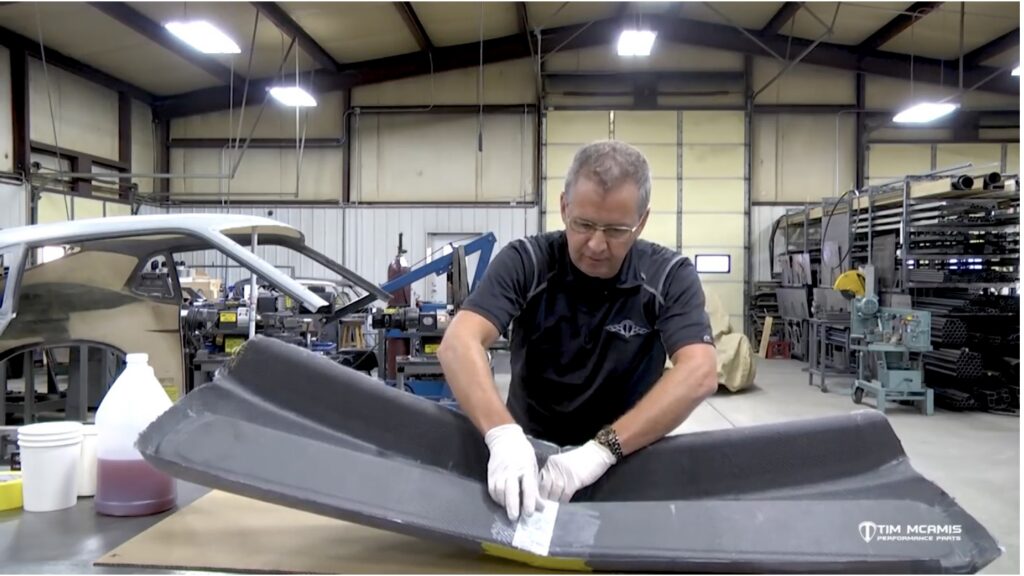
Then he watched McAmis’s videos.
He watched them again and again. He went back to his own car. He made the adjustments himself.
The next time he took it to the track, it went straight down the racetrack.
The man stood there crying as he told McAmis what had happened. Then he hugged him.
McAmis laughed while telling the story because, by his own admission, he is not exactly a hugger. But the moment stuck with him.
The man had never bought anything from Tim McAmis Race Cars. He made that clear.
McAmis did not care.
That racer had learned something. He had fixed his own car. He had gone from helpless to capable. He had taken ownership of the machine sitting in his trailer.
That is the kind of thing McAmis seems proud of in a different way than trophies, number-one qualifiers, or championship banners.
Those things matter. Of course they do.
But helping someone understand their own race car? Helping someone stay in the sport?

That leaves a different kind of mark.
It also explains why McAmis’s videos work. They are not overly polished. They are not rehearsed to death. They do not feel like something run through a marketing department.
They feel like Tim.
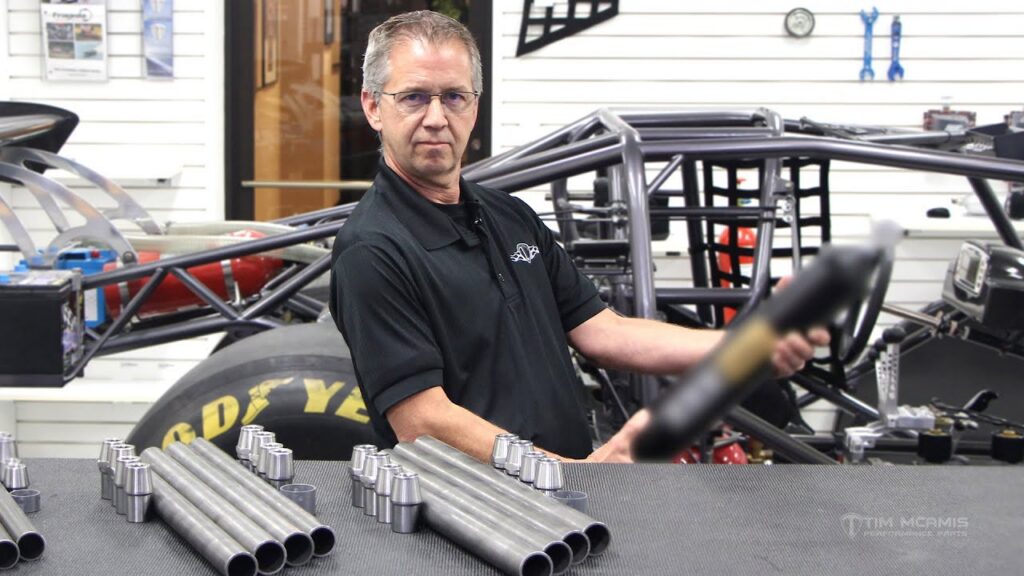
Technical when they need to be. Funny when they can be. Blunt when they have to be.
That authenticity matters in drag racing, because racers have a pretty good radar for nonsense. They know when someone is talking from experience and when someone is reading from a script.
McAmis does not sound like a script.
He sounds like a racer who has seen enough, broken enough, fixed enough, and dealt with enough people to have earned the right to be direct.
That same directness shows up when he talks about business.
Running a race car operation at the level of Tim McAmis Race Cars is not just welding tubing and shipping parts. It is people, process, inventory, training, customer service, fabrication, technology, and constant problem-solving. It is also trying to maintain standards in a world where skilled labor is harder to find and more expensive to keep. It is also living up to the McAmis standard.
Anyone who has tried to build a race car in recent years understands the issue.
The people who can do the work are often older. The truly talented ones are busy. The good ones are not cheap. And the difference between someone who can make something look right and someone who can make it be right is enormous.
That is one of the hidden realities of modern drag racing. The finished car on the starting line is the pretty part. The thousands of decisions behind it are where the real money goes.
McAmis understands that as well as anyone.
The cost of racing has changed dramatically. Parts that seemed expensive five or six years ago can now feel like bargains in hindsight. Materials have gone up. Labor has gone up. Components have gone up. Safety equipment has gone up. Technology has gone up.
And racers, naturally, still want the best.
That is where things get complicated.
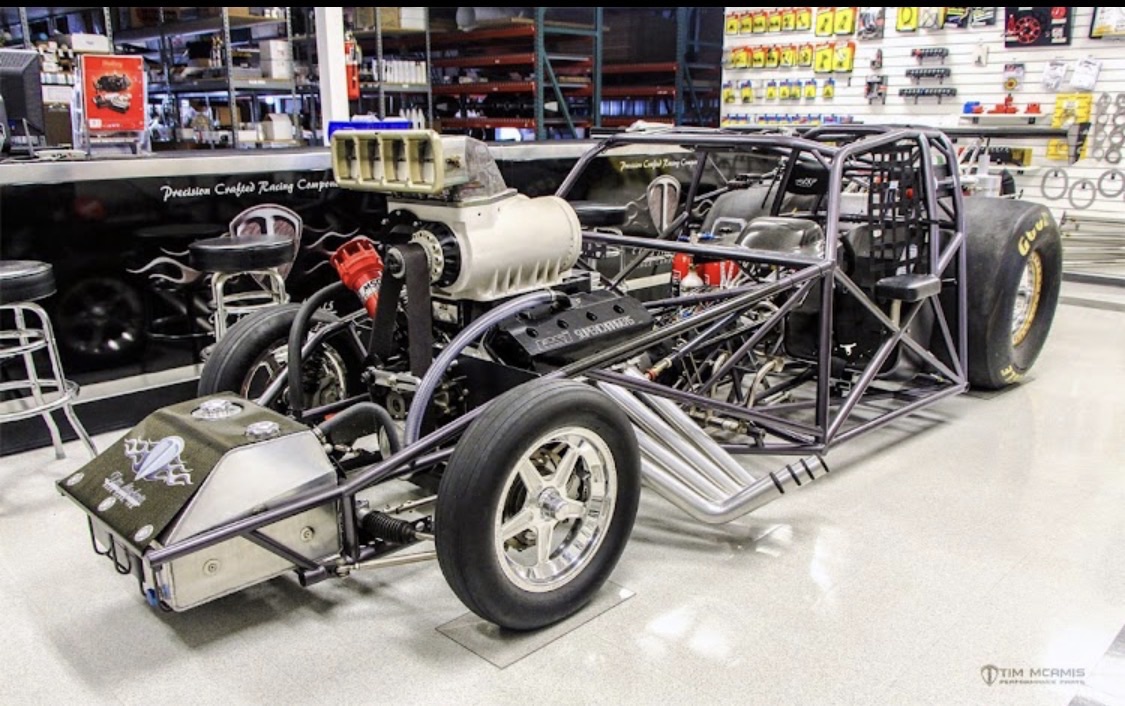
A modern drag car is not just a chassis with an engine and a transmission. It is a collection of decisions. Carbon fiber. Titanium. Electronics. Wheels. Brakes. Seats. Steering components. Suspension parts. Data systems. Safety equipment. Every choice has a cost. Every upgrade has a reason. Every “while we’re at it” adds to the final number.
Anyone who has built a race car knows that trap.
At some point, the thought process becomes simple: “If I am already this deep into it, I might as well get what I want.”
That is how budgets get stretched. That is how a build becomes more expensive than planned. Not always because one person is careless, but because quality costs money and compromise does not feel very good when your name, your safety, and your performance are all tied to the final product.
McAmis is not blind to that. He knows the numbers can be hard for people to wrap their heads around.
But he also knows what it takes to do the job correctly.
That is one of the more valuable parts of hearing him talk. He does not romanticize the business. He does not pretend race cars are cheap. He does not act like every customer understands the real cost of doing things right.
But he also does not apologize for quality.
There is a lesson in that.
Drag racing has always had a strange relationship with money. Everybody knows it takes money to race, but nobody loves talking about how much. Racers will spend where they want to spend, save where they think they can save, and then argue with reality when the invoice shows up.
McAmis has watched that cycle for decades.
And when he talks about cost, it is not just from the standpoint of a builder trying to defend a price. It is from the standpoint of someone who has watched the entire sport change.
Cars are more advanced. Parts are better. Safety expectations are higher. Data is everywhere. Racers are asking more from the equipment than ever before. Tracks are facing their own pressures. Builders are facing theirs. Customers are facing theirs.
Nothing exists in isolation.
That is why a conversation with McAmis naturally becomes bigger than one shop in Missouri.
It becomes a conversation about the state of drag racing itself.
For all the complaining people do — and racers are world-class complainers — the sport is still full of people willing to spend unreasonable amounts of time, money, and energy chasing something that is hard to explain to anyone outside of it.
That is part of what makes it great.
It is also part of what makes it fragile.
Because if the cost gets too high, if the frustration gets too deep, if the knowledge becomes too hard to find, people leave. They park cars. They sell projects. They stop bringing their families to the track. They stop ordering parts. They stop caring.
McAmis seems to understand that, but also says to make no mistake…. that racing is in a better spot than it ever has been he says.
Maybe that is why the free videos matter so much. They are not just content. They are a pressure-release valve for the sport. They help people solve problems that might otherwise push them out.
A racer who understands his car is more likely to enjoy racing it.
A racer who enjoys racing is more likely to keep showing up.
A racer who keeps showing up helps the whole sport.
That may sound simple, but simple things are often what drag racing forgets first.
The other thing that stands out about McAmis is that he has managed to stay relevant without trying to become something he is not.
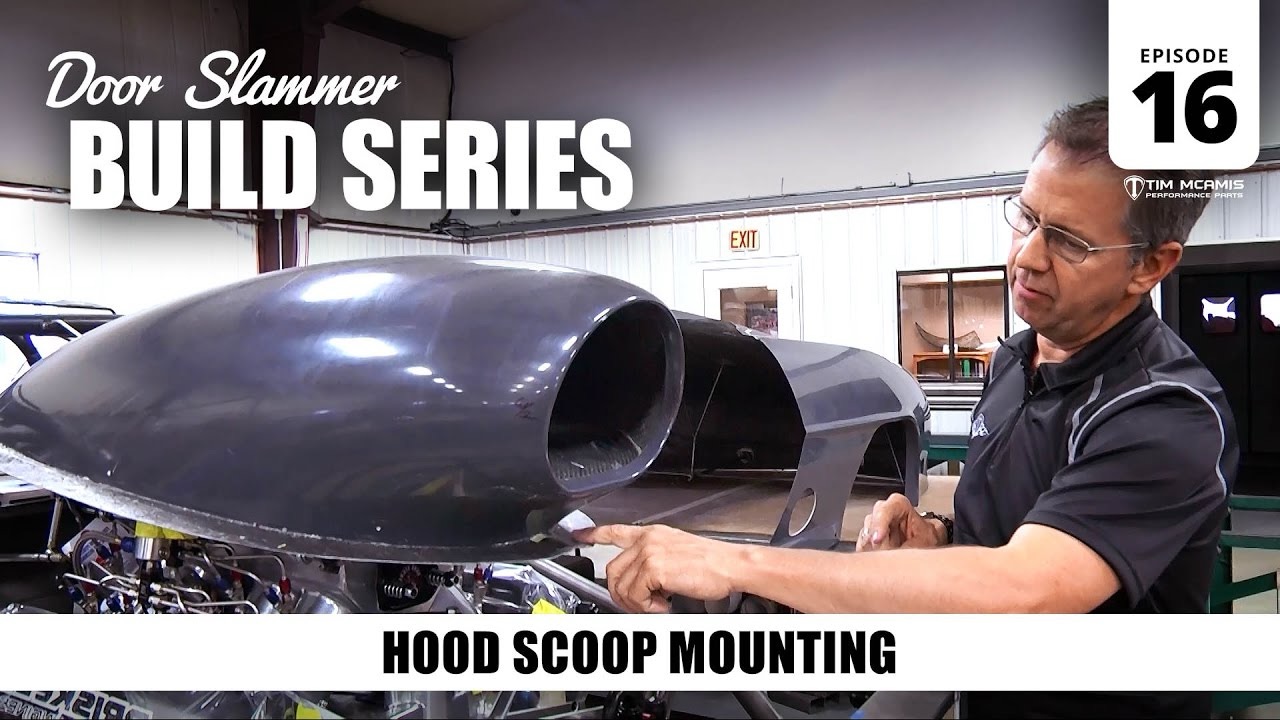
He is not polished in the fake way. He is not chasing trends for the sake of chasing them. He is not afraid to use modern tools — his company’s website, videos, online parts business, and digital presence prove that — but the voice behind it still feels old-school in the best way.
That combination is rare.
A lot of racing businesses are good at the craft and bad at the customer experience. Some are good at marketing and thin on substance. Some are legends in their own minds but impossible to deal with. Some know everything until the car does not work.
McAmis Race Cars has built a reputation on something harder to fake: usefulness.
The website is easy to use. The videos teach. The parts are accessible. The cars speak for themselves. The support matters.
That is how a brand becomes more than a logo.
And for McAmis, that brand started with credibility earned the hard way.
Before he was the builder, he was the racer. Before the parts catalog, the chassis kits, the carbon fiber, the online store, the videos, and the customer cars, there was competition. There were win lights. There were lessons learned on the racetrack when Pro Mod was still raw, loud, unpredictable, and being defined in real time.
That background still matters.
Because racers trust people who have done it.
They trust people who know what it feels like when a car makes a move. They trust people who understand the difference between theory and a racetrack that changes after the sun goes down. They trust people who have had to make decisions with noise in their ears and pressure in their chest.

McAmis has lived both sides.
He has been the guy in the seat.
Now he is the guy whose work puts other people in the seat.
That carries responsibility.
Every chassis, every weld, every component, every recommendation, every piece of advice has real-world consequences. These are not show cars. These are machines built to go fast, stop straight, and protect the person inside when things go wrong.
That is why the “builder” part of McAmis’s story cannot be separated from the “racer” part.
The racer knows what the driver needs.
The builder knows how to give it to him.
The truth-teller knows when to tell him what he does not want to hear.
That may be the best way to understand Tim McAmis.
He is not just selling parts. He is not just building cars. He is not just making videos because the internet rewards content.
He is trying, in his own way, to make racers smarter.
Sometimes that means explaining preload. Sometimes it means calling out nonsense. Sometimes it means reminding people that safety is not where you get cheap. McAmis laughed that a guy in a 400K car might complain about the cost of a helmet.
Sometimes it means telling racers that the reason their car does not work might not be some mysterious curse, but something they can learn, understand, and fix.
That kind of honesty can sting.
But it is also valuable.
Drag racing has plenty of people willing to tell you what you want to hear. It has fewer people willing to tell you the truth and then show you how to fix the problem.
That is why this conversation stuck with me.
I expected to talk about cars.
Instead, we talked about the ecosystem around them. The business behind them. The people who build them. The racers trying to afford them. The tracks trying to survive. The frustration that comes when costs rise faster than common sense. The satisfaction that comes when someone finally figures out his own car.
And through all of it, McAmis kept coming back to the same underlying idea.
This sport is hard.
But it is better when people know more.
That may end up being one of his bigger legacies.
Yes, Tim McAmis will always be tied to Pro Modified history. Yes, his company will always be known for building serious race cars and serious parts. Yes, his name will continue to carry weight with racers who care about craftsmanship.
But somewhere along the way, McAmis did something that might be even more important.
He helped racers become less dependent, less intimidated, and more capable.
He helped people understand what was happening underneath them.
He gave away knowledge that could have been hidden behind invoices, subscriptions, or phone calls.
And in a sport where knowledge is often guarded like a secret, that matters.
The racer won.
The builder built.
The truth-teller told the truth.
And a lot of racers are better for it.