
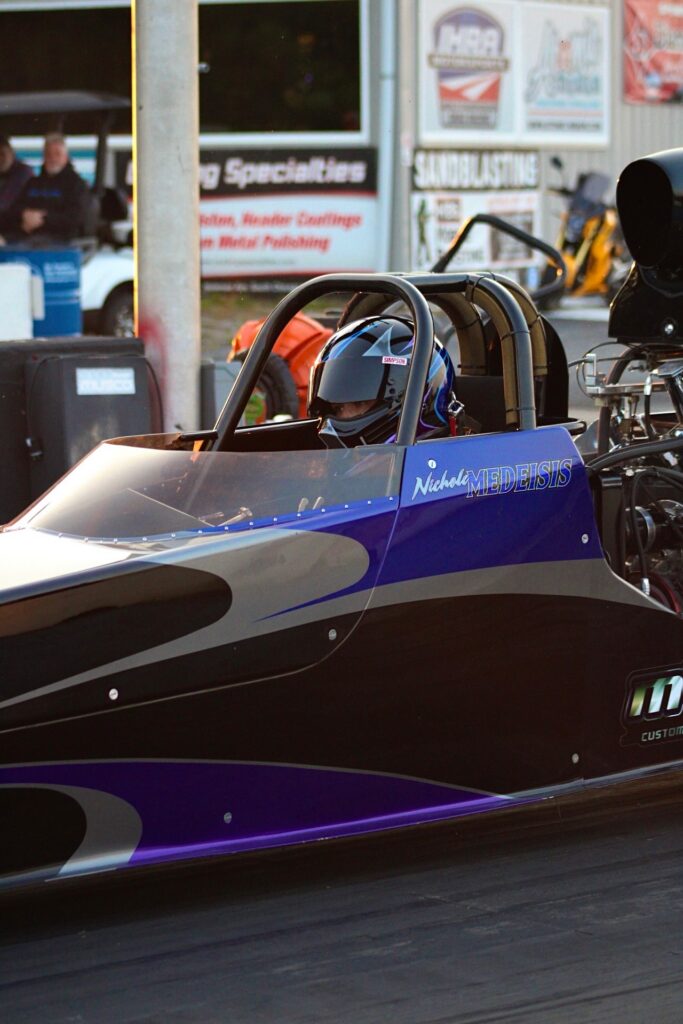
At 7 p.m., Nichole Medeisis may be standing beside an incubator, caring for a baby small enough to fit in the palm of her hand.
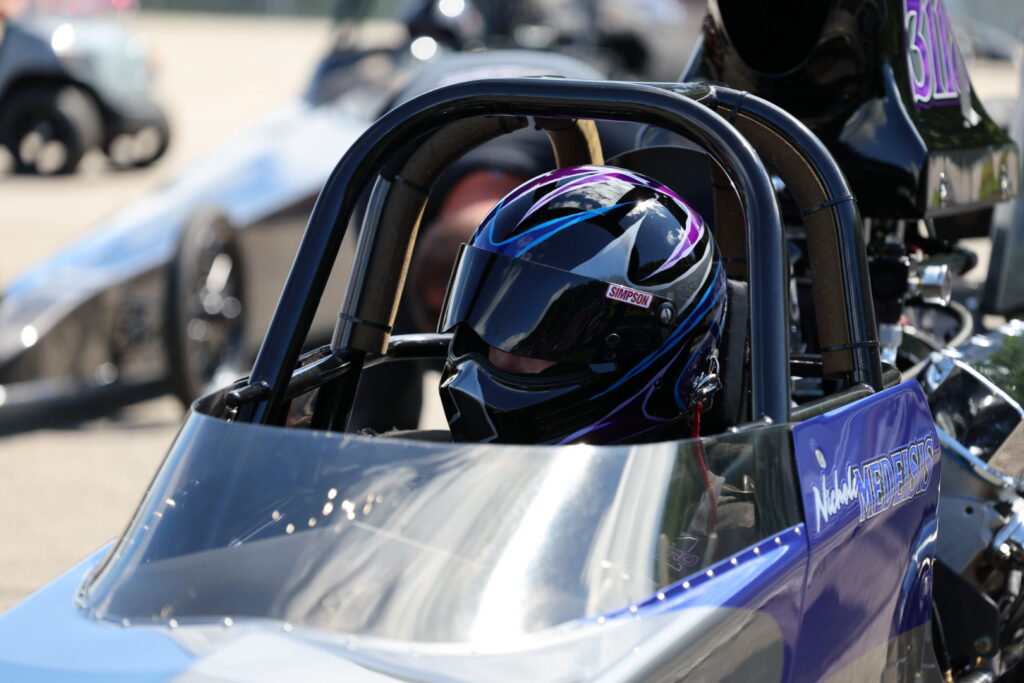
A few days later—or sometimes only a few hours later—she may be strapped into a race car, waiting for the tree to fall.
One world is measured in grams, oxygen saturation, medication doses, and milliliters.

The other is measured in thousandths of a second, reaction times, elapsed times, and miles per hour.
In one, every movement must be gentle.
In the other, nearly everything happens violently.

Yet both demand many of the same things from Medeisis: focus, composure, quick decision-making, emotional control, and the ability to perform when the pressure is at its highest.
That contrast is exactly why I wanted her to be the first subject in a new kind of DragCoverage feature—one focused not simply on the driver inside the race car, but on the person behind the helmet.
Admittedly, there was some personal bias in selecting her.
Before becoming a professor, I spent six years working nights at a Level I trauma center and Level III neonatal intensive care unit, including time as a pediatric and neonatal pharmacist. I understand the peculiar exhaustion of night shift, the emotional weight of caring for critically ill children, and the confused looks people give you when you tell your healthcare colleagues that you are spending your vacation at a dragstrip.
So when I learned Medeisis was both a racer and a NICU nurse, there was no way I was passing up the conversation.
Born Into Racing, Drawn Toward Babies
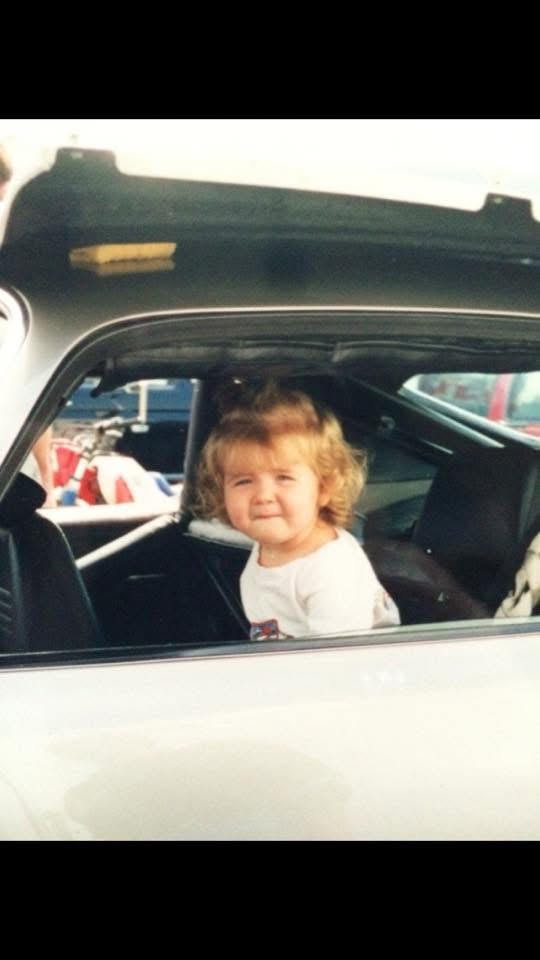
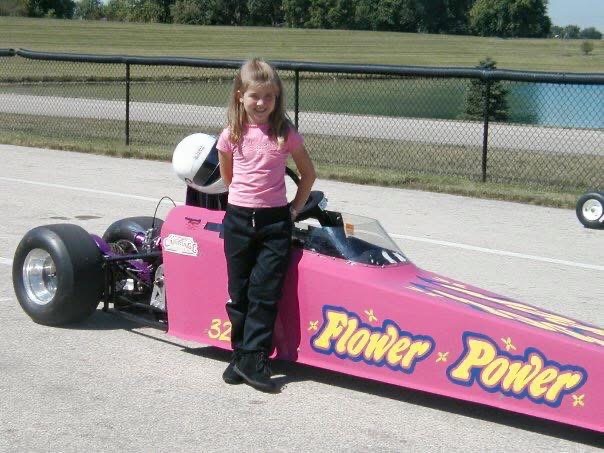
Racing has been part of Medeisis’ life for as long as she can remember.
Her father raced. Her older brother raced. Eventually, she followed them into the sport. Her father still owns much of the family’s racing operation, including the motorhome, trailer, and car, and remains central to nearly every part of her life—both at the racetrack and away from it.
Her interest in neonatal care started almost as early.
Medeisis’ father is a retired firefighter and paramedic, so medicine and emergency response were always present in her household. But her own interest was more specific.
Even during childhood dress-up days, Medeisis did not simply want to be a doctor.
She wanted to be what she called a “baby doctor.”
She initially enrolled at the University of Iowa as a pre-medical student and spent three years preparing for medical school. Before committing to that path, however, she did something more students probably should do: she asked people already living that life to tell her the truth about it.
She spoke with physicians and nurse practitioners about the benefits, sacrifices, schedules, and realities of their careers.
Their answers changed her direction.
“I was like, ‘I’ve got to be sure this is it,’” Medeisis recalled. “I’m going to have to go to medical school and all these things. I talked to all of them and said, ‘Give me your pros. Give me your cons. What does your life look like?’”
The conversations ultimately steered her away from medical school—a decision for which she remains grateful.
Medeisis completed her degree at Iowa early, graduating in December 2019, then entered an accelerated nursing program the following month. When the opportunity came to enter neonatal nursing immediately after graduation, she took it.
She became a nurse in 2023 and began working in a Florida NICU that accepted new graduates.
“I knew that was what I wanted to do,” she said.
The position allowed her to develop the foundation necessary to care for increasingly complex patients.
After moving home to Illinois, she joined a Level III NICU. She later moved again to another Level III facility that also handles neonatal surgeries, allowing her to work with some of the sickest and most medically fragile babies in the region.
“As I worked my way up, I loved it more and more,” Medeisis said. “Getting to do more, getting to see more, and seeing the difference you’re making—not only for the kids, but for the parents—it’s more rewarding to me.”
Three Days a Week Is Not Part-Time
Medeisis works three days per week. (well, nights)
That sentence sounds wonderful until the rest of it is included.
Those are 12-hour overnight shifts, beginning at 7 p.m. and ending around 7:30 the following morning. She rotates between two hospitals near Chicago’s O’Hare and Midway airports, each approximately 45 minutes from her home.
She may not even know which hospital she is reporting to until around 5 p.m., only two hours before the shift begins.
Three scheduled workdays can therefore mean more than 36 hours inside the hospital, several additional hours commuting, time spent preparing before work, and time required to recover afterward.
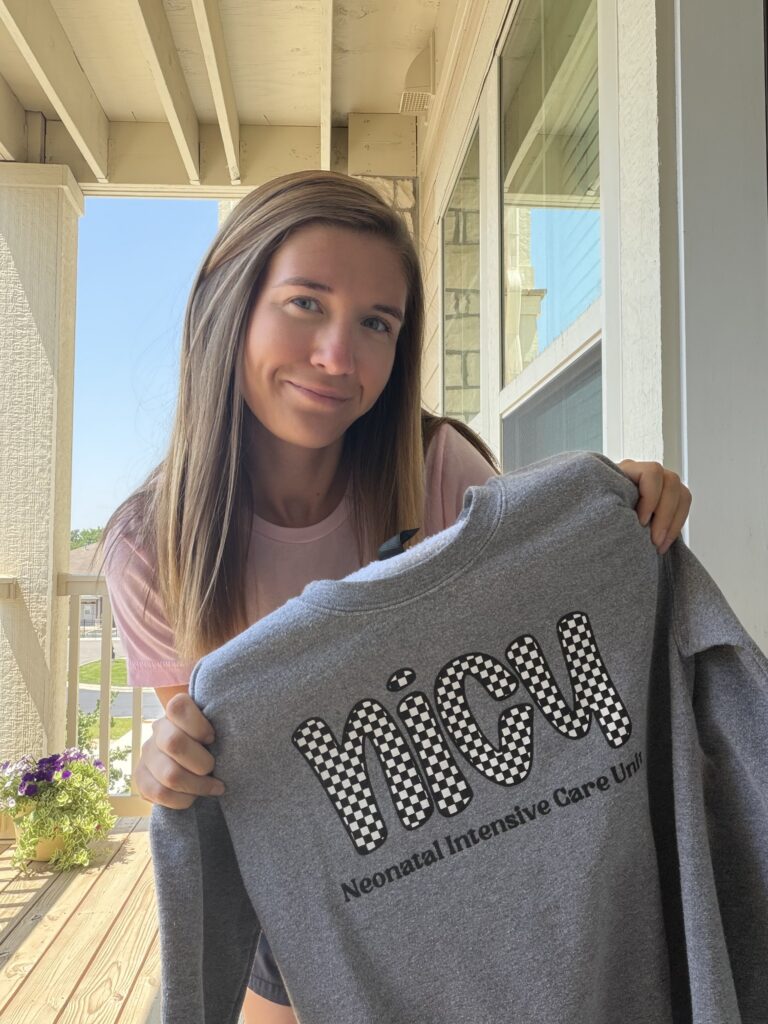
It is full-time work compressed into three long nights.
During racing season, Medeisis often compresses it even further.
Before a recent trip to Bowling Green, she worked five consecutive night shifts—Friday through Tuesday—to avoid using paid time off for the race.
She finished her final shift at 7:30AM Wednesday morning, arrived home around 8:30, packed her belongings, drove to her father’s house, and left almost immediately for the six-hour trip to Kentucky.
Sleep was somewhere on the schedule, although not necessarily before departure.
Fortunately, her father drove the motorhome, allowing her to sleep during the trip.
That arrangement is not unusual.
“There have also been times where I get off at 7:30 and we’re racing two hours away, and I just drive straight there,” Medeisis said. “I’m racing on no sleep.”
During the summer, the cycle becomes almost mechanical.
Work.
Drive home.
Pack.
Race.
Return home.
Unpack.
Go back to work.
It is exhausting, inefficient, and occasionally absurd.
It is also exactly what she wants to be doing.
“During the summer, you’re like, ‘I’m drowning. This is so much,’” she said. “Then winter comes, and you miss it.”
That may be the most universally relatable sentence ever spoken by a drag racer.
We spend racing season complaining about the heat, the travel, the expense, the broken parts, the late nights, and the lack of sleep.
Then the offseason arrives, and we would give anything to be tired at a racetrack again.
Night Shift: A Competitive Advantage?
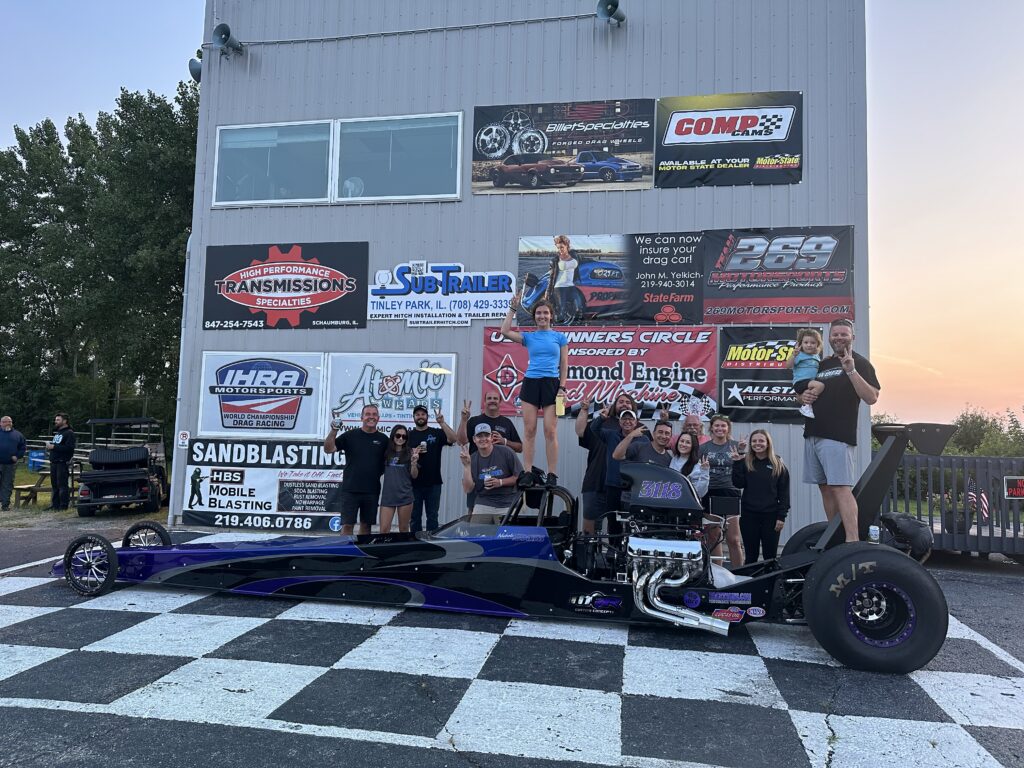
Most racers begin to fade as the night grows longer.
Medeisis may actually become more comfortable.
Years of night-shift work have trained her body to function when others are beginning to struggle. At races that extend late into the night, fellow competitors frequently ask the same question:
“Do you ever sleep?”
The honest answer appears to be: occasionally.
“I don’t get tired like everybody else does,” she said. “Not that I’m not tired, but your body gets so used to being up at odd hours.”
The difficult time is not necessarily 1 a.m. or 3 a.m.
For experienced night-shift workers, the wall can arrive in the middle of the afternoon—often when there is nothing happening to keep the mind active.
At that point, a brief nap can become dangerous territory.
There is no such thing as a casual 30-minute nap after several overnight shifts. That is not a nap. That is a medically induced state from which someone must eventually be revived.
“You’ve got to come back to life after that,” Medeisis joked.
Still, her unusual sleep schedule may provide a genuine advantage when a race stretches deep into the night. While other racers are trying to force their minds to remain sharp, Medeisis is operating during hours her body already understands.
That does not make the workload sustainable without recovery. It simply means she has learned how to function in circumstances that would flatten most people.
The Weight That Comes Home
Fatigue is only one part of neonatal nursing.
The emotional burden can be considerably heavier.
NICU nurses witness remarkable recoveries. They care for premature babies who grow stronger day by day, eventually leaving the hospital with families who once feared they may never bring their child home.
But not every story ends that way.
“The good days are good, but the bad days are real bad,” Medeisis said.
There are babies who cannot be saved. There are parents experiencing the worst moments of their lives. There are children born into circumstances involving substance use, abandonment, or other painful family situations.
Healthcare professionals are expected to remain calm in those moments. They must think clearly, perform their responsibilities, support families, document accurately, and continue caring for the next patient.
Then the shift ends.
They walk out of the hospital, get into their cars, and are somehow expected to return to normal life.
For Medeisis, racing can provide an escape from that emotional weight—but only after she has processed enough of it to race safely.
“You want to go racing to forget about it, but you also want to forget about it before you go racing,” she explained. “You should be racing with a clear mind. There are a lot of things that can go wrong on the racetrack, so you don’t want to be foggy-brained.”
Her primary outlet is her father.
He texts before nearly every shift to wish her well. Afterward, he asks how it went. He can often tell from the sound of her voice whether something happened.
When it has, he makes her talk.
“Sometimes you just have to tell someone about it,” Medeisis said. “For me, that’s usually all it takes. I just need to talk about it however many times I need to.”
She also relies on friends from both inside and outside healthcare.
Medical friends can reassure her that the team made the correct decisions and followed the appropriate procedures. Friends outside medicine may not understand the clinical details, but they can provide something equally important.
Sometimes a person does not need an analysis.
Sometimes they simply need someone to say, “I’m sorry. That sucks.”
Medeisis has learned that there is no perfect way to erase the difficult cases.
“You have to constantly remind yourself that no matter what you do, you’re not going to be able to fix everybody and everything,” she said. “I’m not going to say anything ever truly cures it.”
The goal is not to forget.
It is to carry it without allowing it to consume everything else.
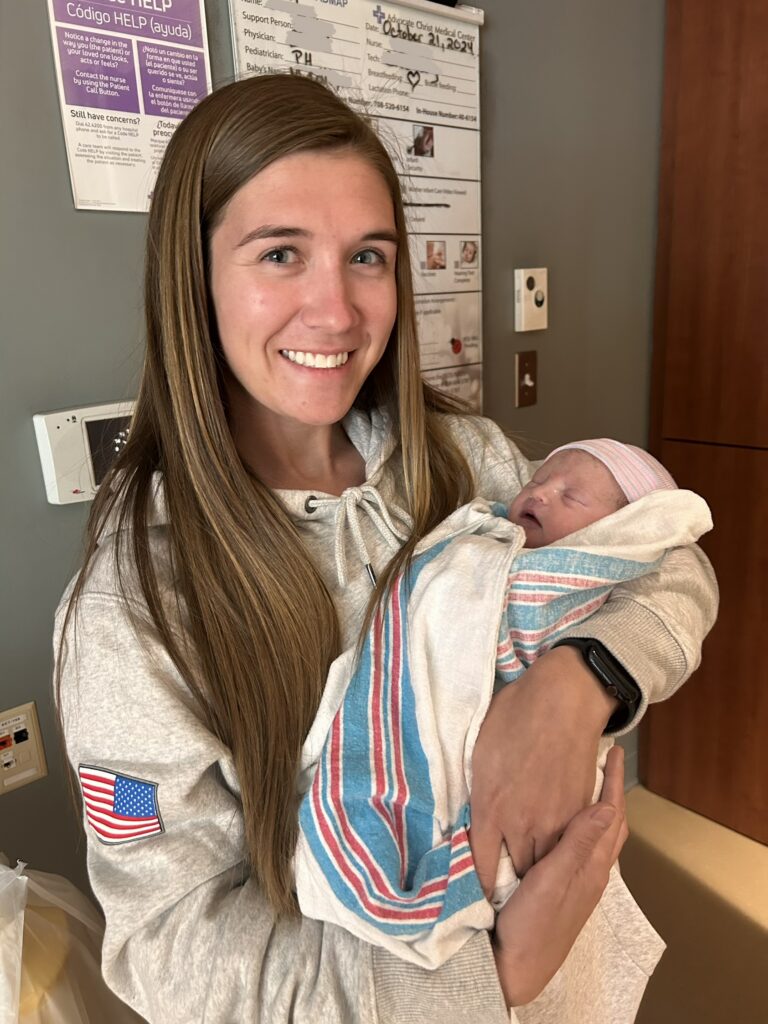
“Wait—You Race Cars?”
At the racetrack, telling someone you are a nurse rarely causes much surprise.
Tell a group of NICU nurses that you drive a race car, however, and the reaction changes.
“Wait—you do what?”
Medeisis has heard nearly every predictable nickname and comparison, including “Speed Racer” and references to Danica Patrick.
The specifics of drag racing may be lost on some of her coworkers, but the idea that their colleague straps into a race car on weekends immediately captures their attention.
“They’re like, ‘Wait, cars?’” Medeisis said. “They don’t want to believe you at first.”
She believes part of the surprise comes from being a woman in motorsports. A male coworker mentioning that he races cars might receive a nod and a follow-up question. When Medeisis tells people, it often forces them to reconsider their assumptions about her entirely.
Once the initial shock passes, her coworkers become fascinated.
Several want to attend a race. Others regularly ask questions. When Medeisis needs to trade a weekend shift to attend an important event, someone is almost always willing to help.
“I have to work every third weekend,” she said. “There have been times I’m trying to go to a big race, and 9.9 times out of 10, somebody says, ‘I’ll do it for you.’ They’re very supportive.”
Her hospital coworkers may not understand every class, dial-in, or staging procedure, but they understand that racing is important to her.
That support makes the balancing act possible.
A Nurse Is Never Really Off the Clock
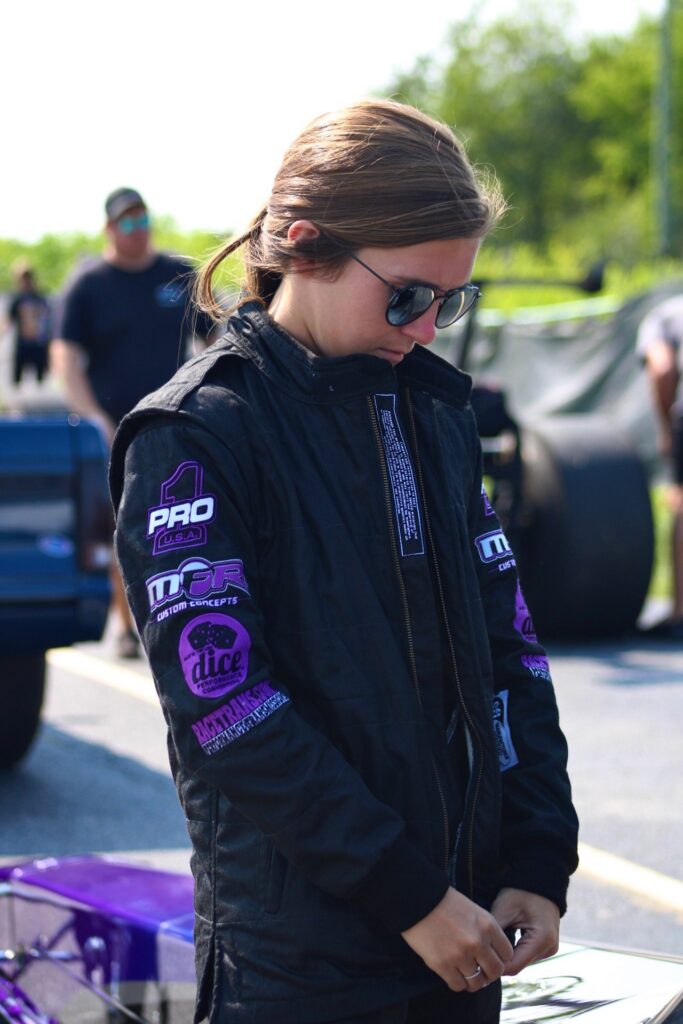
Medeisis regularly issues a warning to her racing friends:
“I’m off the clock. If you do something stupid, I’m not a nurse.”
Nobody listens.
Despite her best efforts, her two lives have collided repeatedly.
One of the most dramatic examples occurred at Pomona in November 2024.
Medeisis had flown west to watch her father race. He had taken the dragster on an extended trip with his best friend, and she traveled back and forth around her work schedule to join him.
While riding through the property on a golf cart, Medeisis noticed a low-flying airplane near the airport adjacent to the racetrack.
“I think that plane is going to crash,” she told her father.
He dismissed the concern. Aircraft routinely approached low over the area.
But Medeisis continued watching.
“No, I really think it’s going to crash.”
Within approximately 20 seconds, the engine went silent and the plane came down at the racetrack, only an estimated 500 or 600 feet from where Medeisis and her father were standing.
They immediately ran toward it.
The occupants survived, turning a potentially tragic event into an unforgettable story shared by father and daughter.
“Not that we wanted a plane to crash,” she clarified, “but it was something we experienced together.”
The incidents did not stop there.
During a golf cart race at another event, Medeisis was near the water box with her friend Lauren, who is also a nurse. Medeisis’ father was positioned near the finish line.
Her music suddenly stopped when her father called.
He knew she was participating in the golf cart race, so she initially wondered why he would interrupt.
His message was direct.
“Get down here now. Bring Lauren.”
A man had fallen from a golf cart and landed on the racing surface.
The two nurses took off running.
Once again, Medeisis found herself practicing medicine at a racetrack while technically on vacation—and, as she was quick to note, working for free.
Her medical background has also followed her onto the highway.
While returning from a race in St. Louis over Mother’s Day weekend, Medeisis and her father encountered a motorcycle crash that had just occurred. Emergency personnel had not yet arrived.
They stopped to help.
The young rider ultimately died.
It was another reminder that healthcare experience cannot simply be switched off when a shift ends. When something goes wrong and no one else is there, people like Medeisis and her father instinctively move toward the emergency rather than away from it.
She jokes about refusing to help her racing friends, but everyone understands the truth.
If something happens, she will be there.
Calm in the Chaos
At first glance, neonatal nursing and drag racing appear to exist at opposite ends of the universe.
A premature infant may weigh barely more than a pound. Every medication dose, ventilator adjustment, and feeding decision requires extraordinary precision.
A race car may produce more than 1,000 horsepower, shake the ground, and cover an eighth-mile before many people have finished reacting to the launch.
One environment is quiet enough to hear alarms, ventilators, and whispered conversations between worried parents.
The other is filled with engines, tire smoke, starting-line signals, and the physical violence of acceleration.
But underneath the obvious differences, the two worlds share a fundamental requirement.
Neither leaves much room for panic.
A NICU nurse cannot become overwhelmed when a baby’s condition changes unexpectedly. She must evaluate the situation, communicate with the team, and act.
A racer cannot allow outside concerns to follow her into the staging lanes. She must know the plan, trust the car, and make decisions in fractions of a second.
Both require preparation before the moment arrives.
Both require the ability to process enormous amounts of information without becoming paralyzed by it.
Both require respect for risk without being ruled by fear.
Perhaps that is why Medeisis fits so naturally into each environment.
She grew up in racing. She was drawn toward neonatal care from childhood. Neither side feels like a novelty or an identity she adopted later.
They are simply parts of who she is.
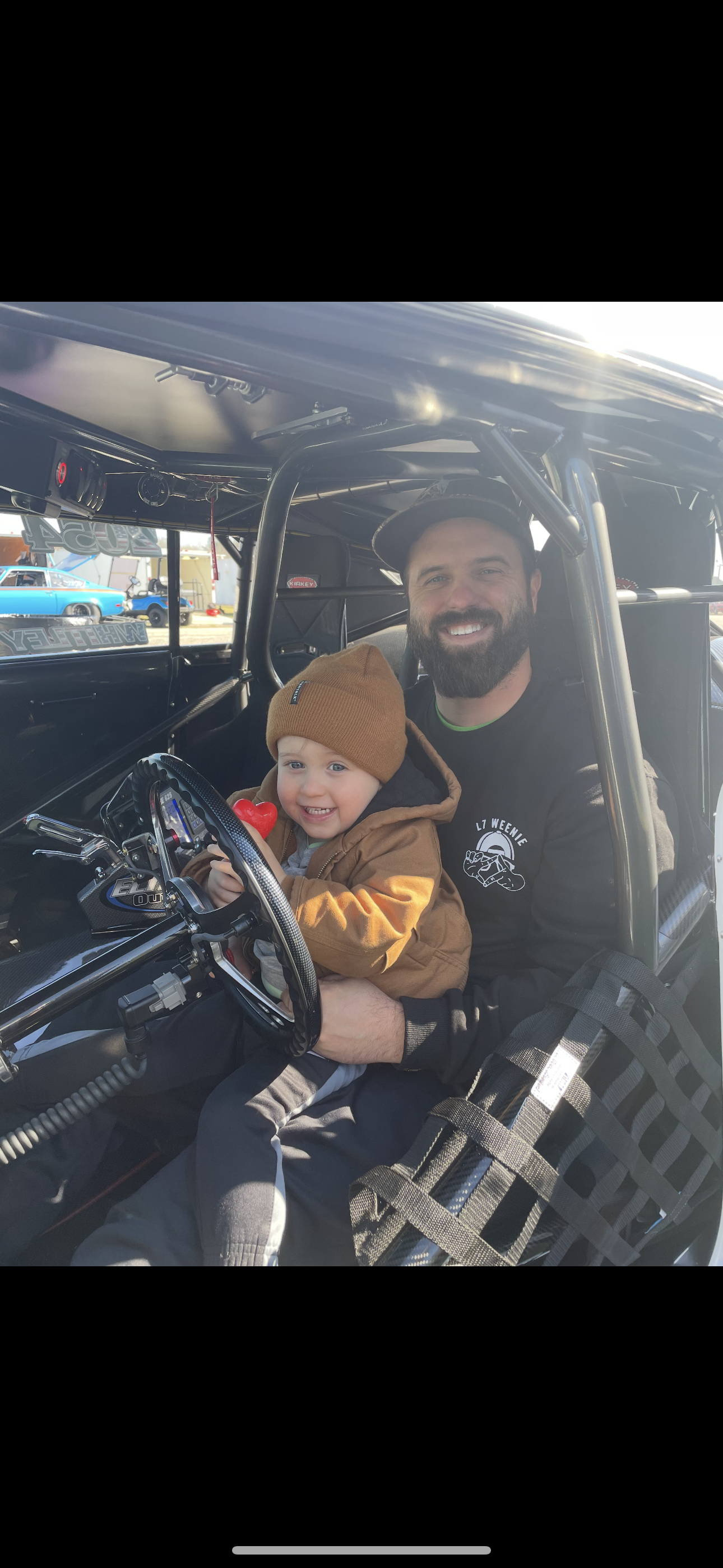
There is Nichole the racer, packing groceries after an overnight shift before leaving for Kentucky.
There is Nichole the nurse, caring for the smallest and most vulnerable patients in the hospital.
There is Nichole the daughter, calling her father after a difficult night.
And there is Nichole the exhausted night-shift worker, somehow still awake at the racetrack while everyone around her wonders how she is functioning.
The answer is not that she has discovered some perfect version of work-life balance.
She has not.
Very few people actually do.
Her life during racing season is less a graceful balancing act than a controlled thrash between hospital shifts, highway miles, family obligations, packing lists, and staging lanes.
But balance does not always mean giving every part of life an equal amount of time.
Sometimes it means accepting that the schedule will be chaotic because the things occupying it matter.
Medeisis cares deeply about her patients.
She cares deeply about racing.
She cares deeply about her family.
So she works the shifts, makes the drive, packs the motorhome, catches sleep wherever she can, and does it again.
Then winter arrives.
The calendar finally slows down.
And, just like every other racer, she begins wishing for the chaos to return.