What began as a few parts for his own race car—and a request for some helmet hooks—has grown into a full line of racer-tested products designed by an engineer who understands that even the smallest component can affect a race weekend.

In racing, we spend plenty of time talking about the major components.
Engines. Transmissions. Converters. Carburetors. Shocks. Tires.

But anyone who has lived with a race car knows that some of the most appreciated products are considerably smaller. They are the things that give the steering wheel a proper place to hang, keep the tire-pressure gauge within reach, securely position the delay box or solve one of those minor inconveniences racers have simply tolerated for years.
Those details are where Brian Garrett and BRG Motorsports 3D Printed Racing Parts have found their place in the sport.
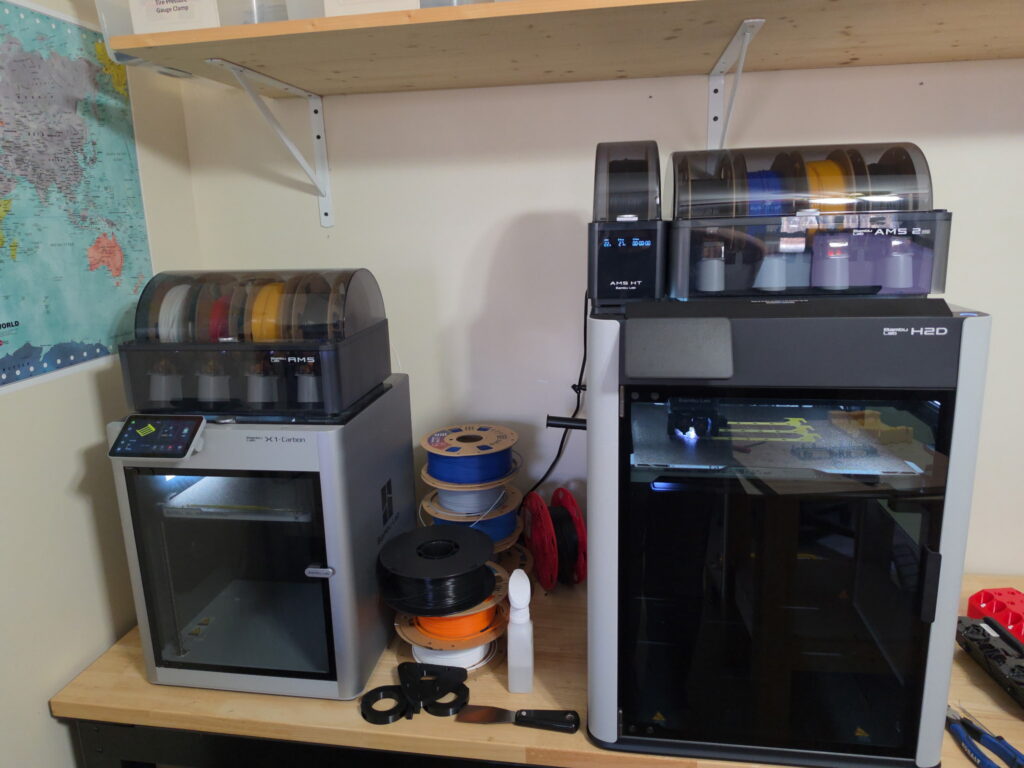
Garrett is not simply someone who purchased a 3D printer after watching a few videos and began listing products online. He is an engineer who had been working with 3D-printing technology long before desktop printers became familiar fixtures in home workshops.

He is also a racer.
That combination—engineering knowledge and firsthand experience inside a race car—has helped Garrett turn what began as a fun personal project into a growing, racer-owned business.
It Started With His Own Race Car
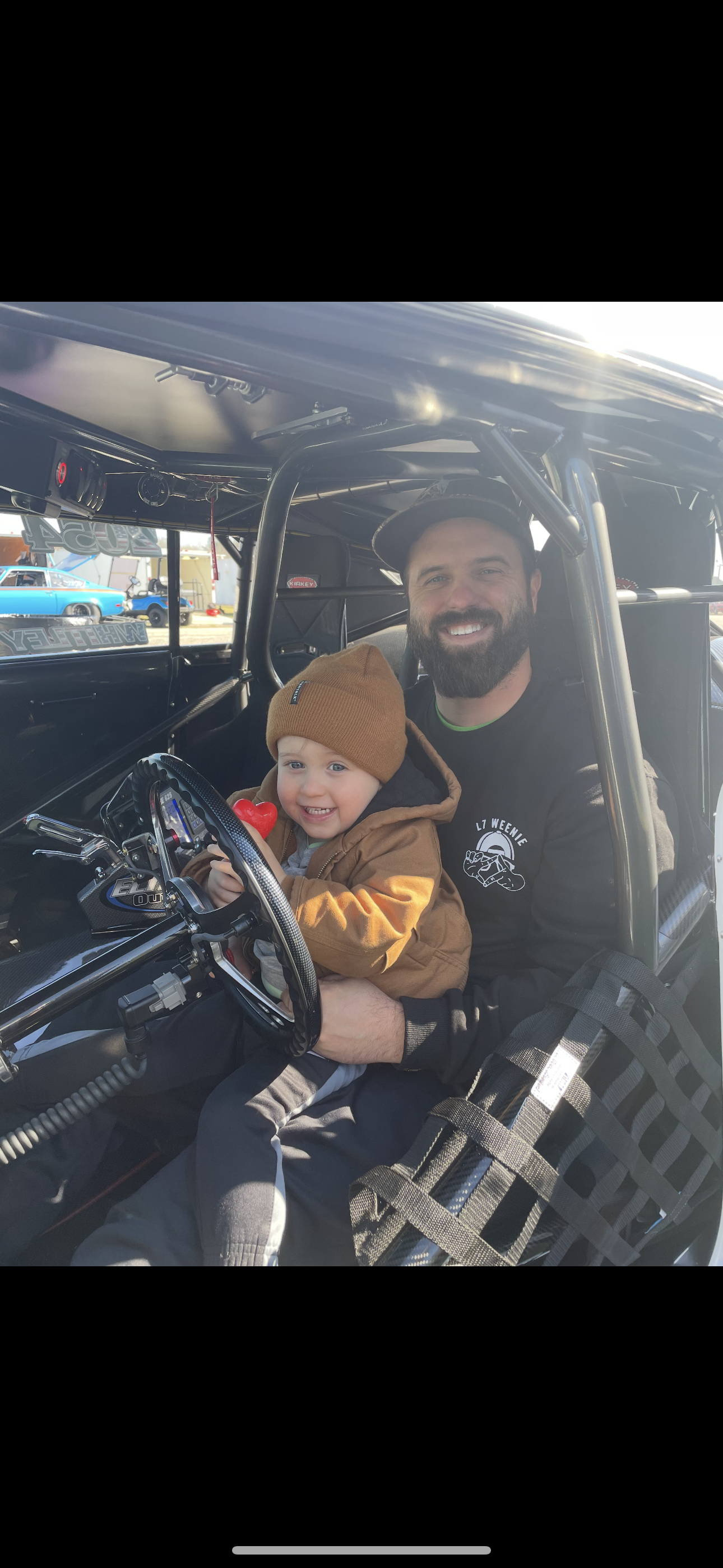
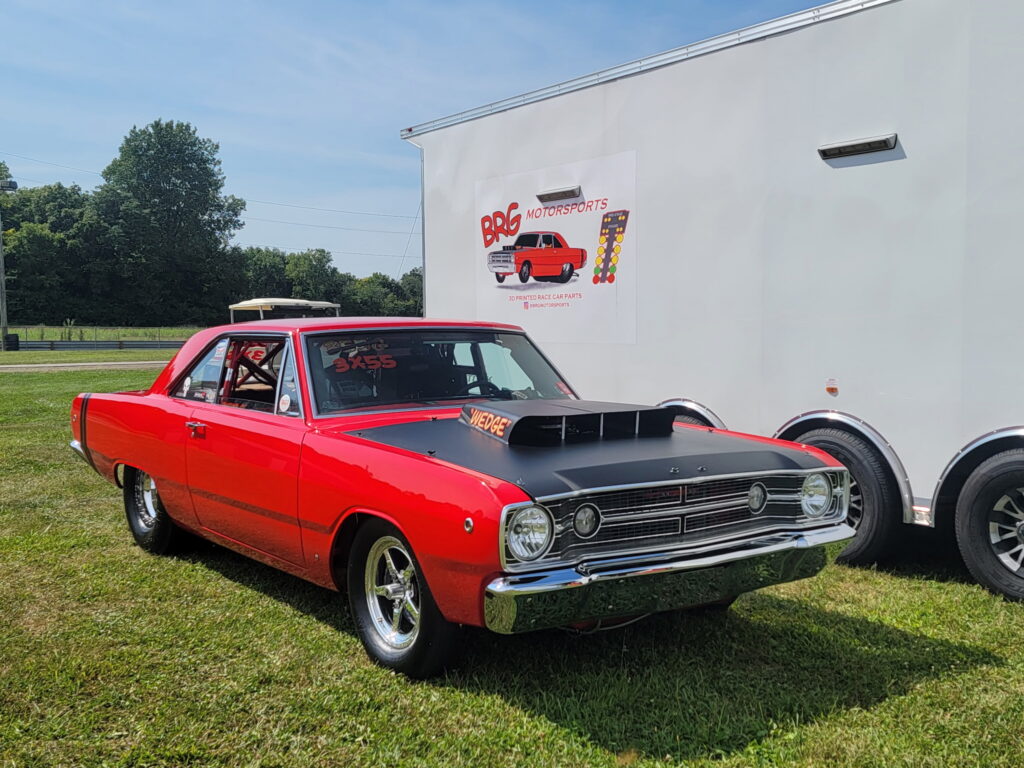
Garrett grew up in Muncie, Indiana, surrounded by racing. His uncles, father and brother all raced, and Garrett initially competed on motorcycles before moving into bracket racing. Eventually, he began using SolidWorks to design parts for his own 1968 Dodge Dart.
At first, there was no elaborate business plan.
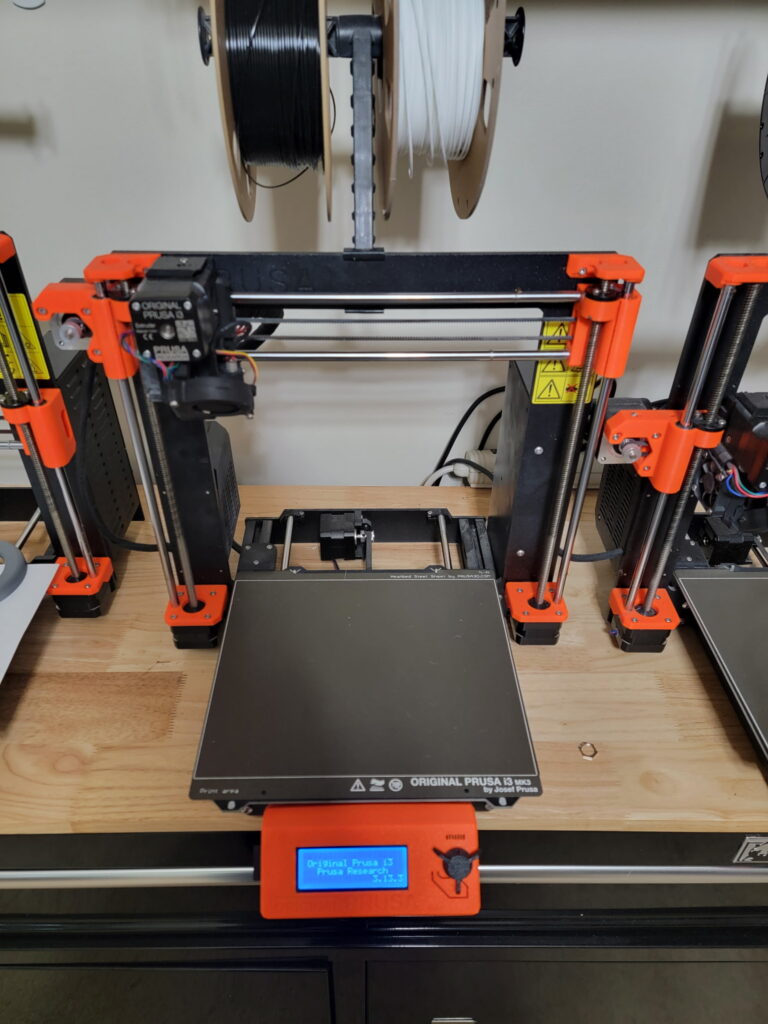
Garrett enjoyed designing something on a computer, sending it to a printer and watching a physical part emerge from an idea. His favorite part of the process, as he describes it, is simply “watching his creations come to life.”
He made a few things for himself. Then another racer saw what he was doing and mentioned that it would be useful to have some helmet hooks.
Garrett designed them.
He made a few for racers, more people became interested and the requests continued. Eventually, he realized his ability to design and manufacture specialized racing products could become more than a weekend experiment.
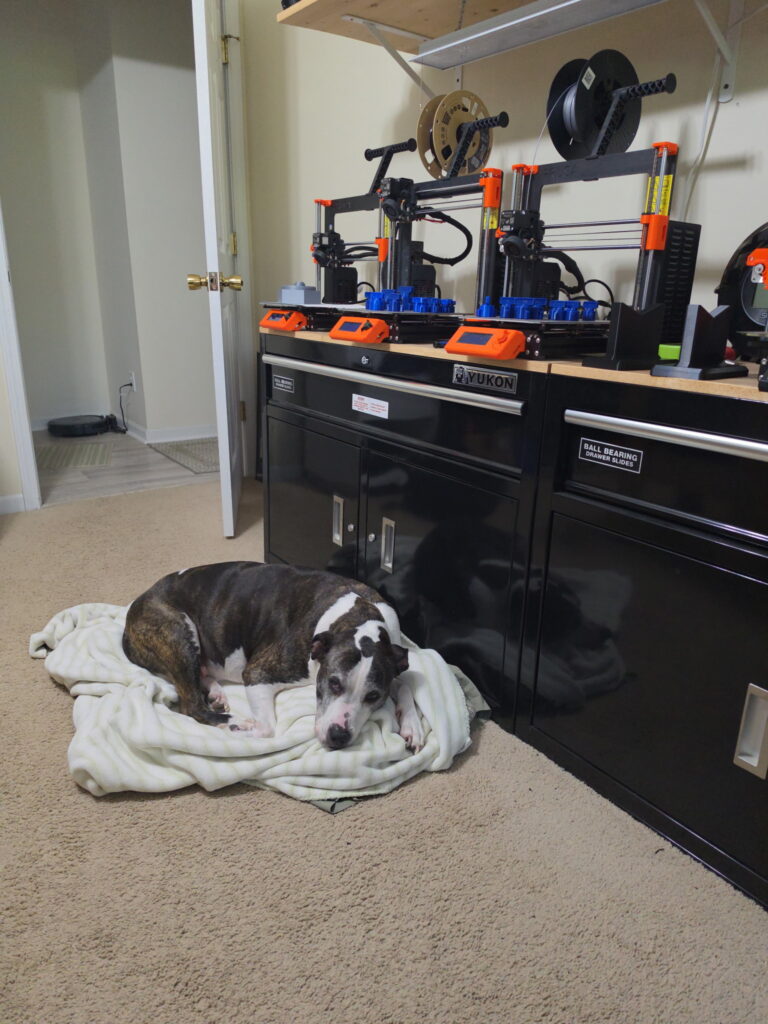
BRG Motorsports officially began in December 2020.
The original goal was modest and probably familiar to nearly every racer: create a little additional income to help pay entry fees and cover some of the never-ending expenses that accompany the sport.
Racing is expensive. Even when the car is together and running well, there are entry fees, fuel, travel, maintenance, tires and dozens of smaller costs waiting around every corner. Any legitimate side income that can help keep a racer at the track matters.
Garrett simply found a way to make the hobby help support itself.
From Helmet Hooks to a Complete Product Line
The helmet hooks were only the beginning.
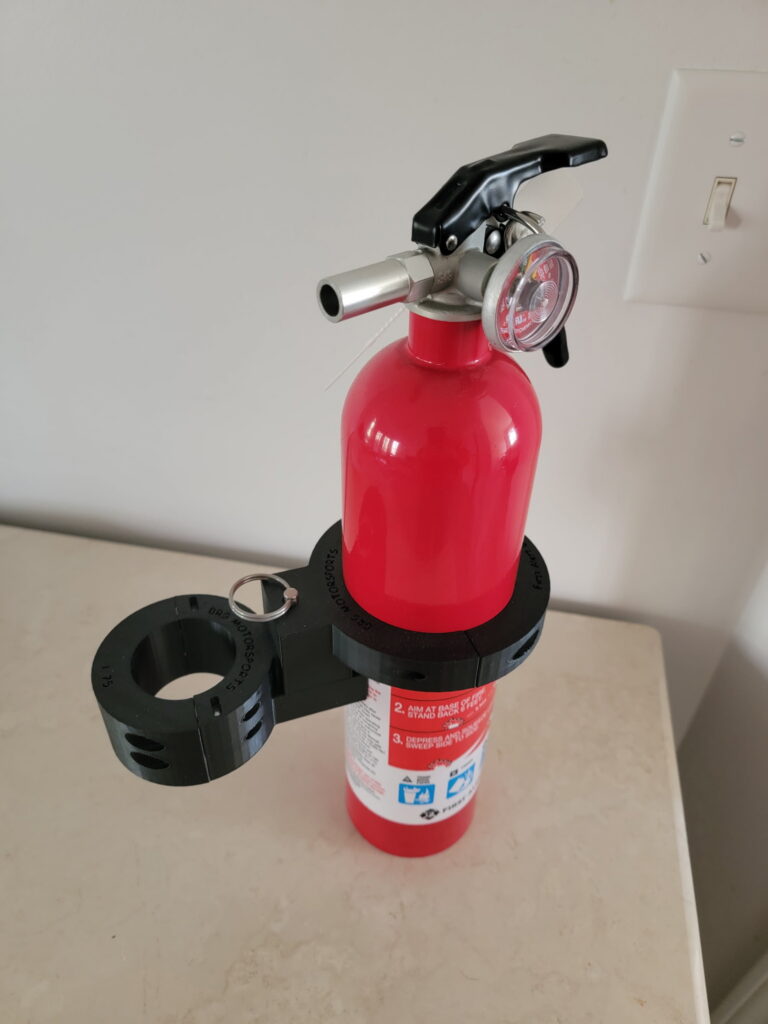
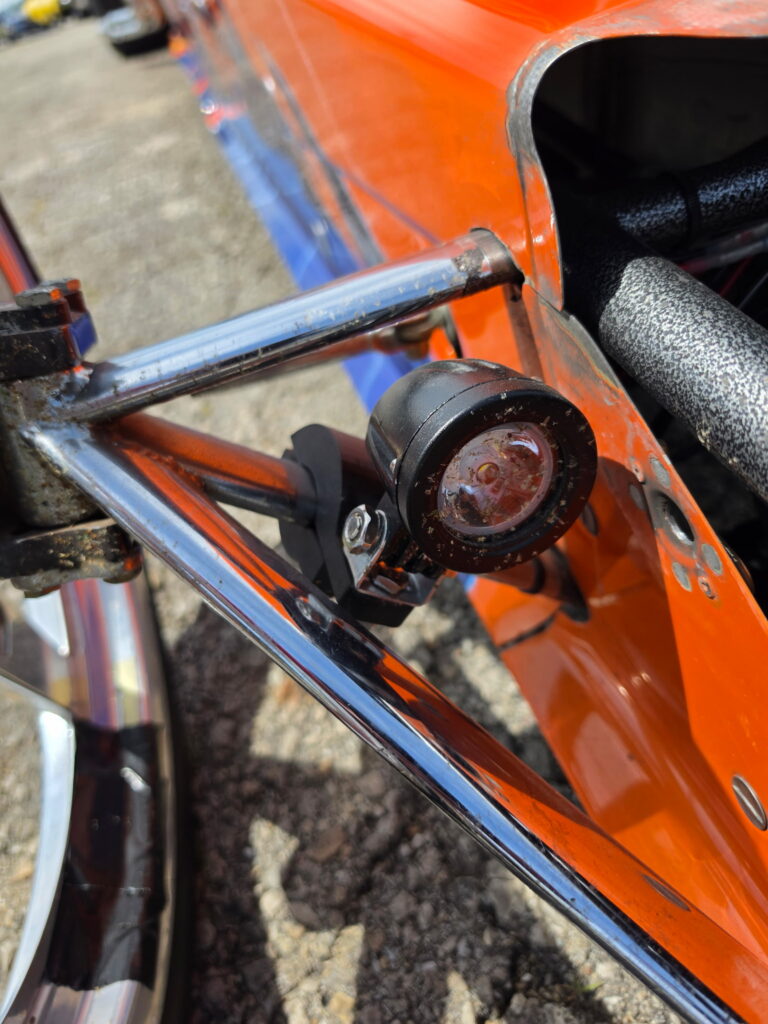
BRG Motorsports now offers products including steering-wheel hooks, fire-bottle holders, dragster headlight mounts, carburetor covers, GoPro and camera mounts, tire-pressure-gauge holders, tree blinders and numerous delay-box mounting solutions.
Some address organization. Others improve installation, visibility or convenience. Several solve problems racers may not realize have a better solution until they see one.
BRG’s carburetor cover, for example, was designed to allow racers to remove air-bleed screws without risking one of the small pieces falling into the carburetor—or potentially farther into the engine. Its dragster headlight mount provides a clamp-style mounting solution for racers who need to install a light without creating an unnecessarily complicated bracket.
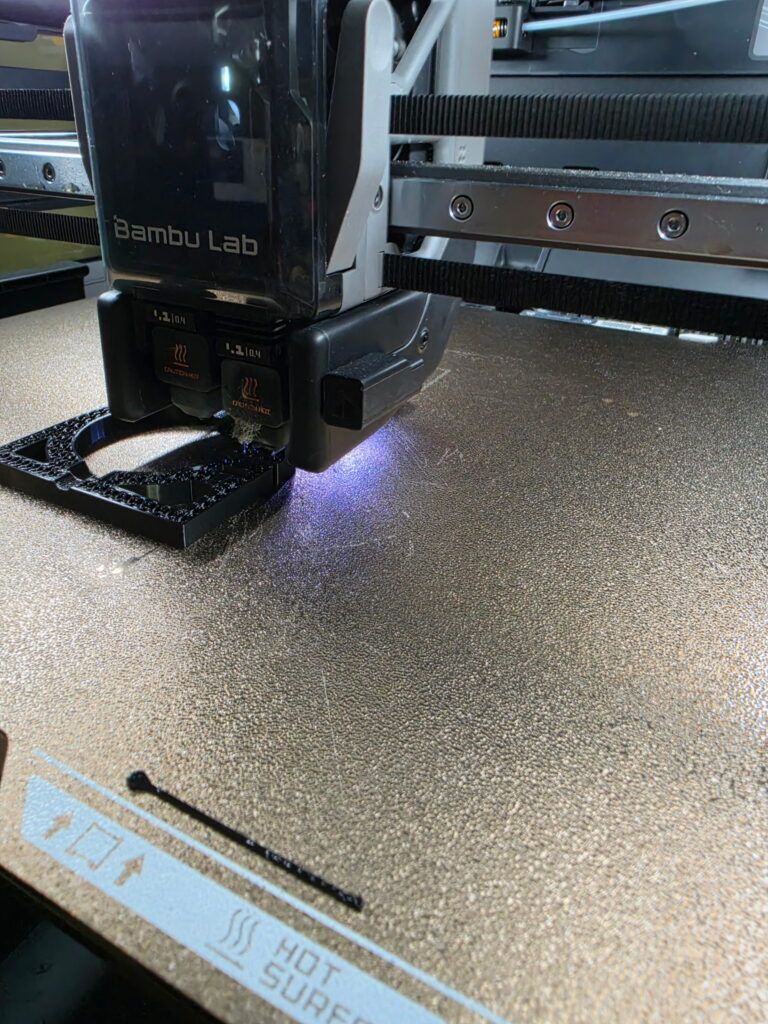
Garrett also offers custom-design work. A racer can bring him an idea or a specific problem, and BRG can transform the concept into a three-dimensional CAD model before producing the finished part. The company’s designs are created in-house using SolidWorks rather than being generic files downloaded and printed without an understanding of their intended application.
That ability is particularly valuable in drag racing, where cars built decades apart—and by dozens of different chassis builders—can have completely different mounting locations, tubing sizes and cockpit configurations.
Sometimes an off-the-shelf solution does not exist.
Garrett can help create one.
Engineering Matters
The term “3D printed” can make the process sound deceptively simple.
Load a file, press a button and wait for the finished product.
In reality, designing a component that looks correct is not the same as engineering one that will consistently work in a race car.
Different printing materials have different tolerances for heat, stress and environmental exposure. The orientation in which a part is printed can influence its strength. Wall thickness, mounting geometry, hardware, coatings and the loads placed on the finished component all matter.
A helmet hook and a device mount may both come from a 3D printer, but they do not necessarily require the same material, design or production process.
Garrett’s engineering background gives him a deeper understanding of those variables. He is not merely asking whether a part can be printed. He is evaluating where it will be installed, how it will be used and what conditions it will encounter.
That distinction becomes even more important when the product is holding something a racer depends on.
A steering-wheel hook may primarily offer convenience. A delay-box mount, however, has to keep an important piece of racing electronics securely positioned and accessible. A product located near heat, vibration or direct sunlight needs to be designed with those conditions in mind.
The part must do more than look good on a workbench.
It must work in the race car.
Tested at the Track, Not Just on a Computer
Perhaps the greatest separator for BRG Motorsports is Garrett’s willingness to test his products in real racing conditions before releasing them.
He does not design something on Monday and place it on the market Friday simply because the first print looks good.
Some products are tested for extended periods—and in certain cases, for years—before Garrett is comfortable offering them to other racers.
That patience is intentional.
Bracket racers understand how unforgiving the sport can be. A loose mount, a shifted component or a poorly positioned piece of equipment can become a distraction at precisely the wrong moment. In a form of racing where a few thousandths of a second can determine who moves into the next round, “probably good enough” is not an acceptable engineering standard.
Garrett wants to know how a component responds to vibration, temperature changes, repeated removal and installation and the general abuse of traveling and competing with a race car.
More importantly, he does not want one of his products to cost a racer a round.
That real-world testing is why BRG’s designs are more than interesting 3D-printed accessories. They are products developed by someone who understands where they will be used and what is at stake when the driver pulls into the water box.
A Relationship With K&R Performance
Garrett’s delay-box mounts have also earned the confidence of one of bracket racing’s most established electronics manufacturers.
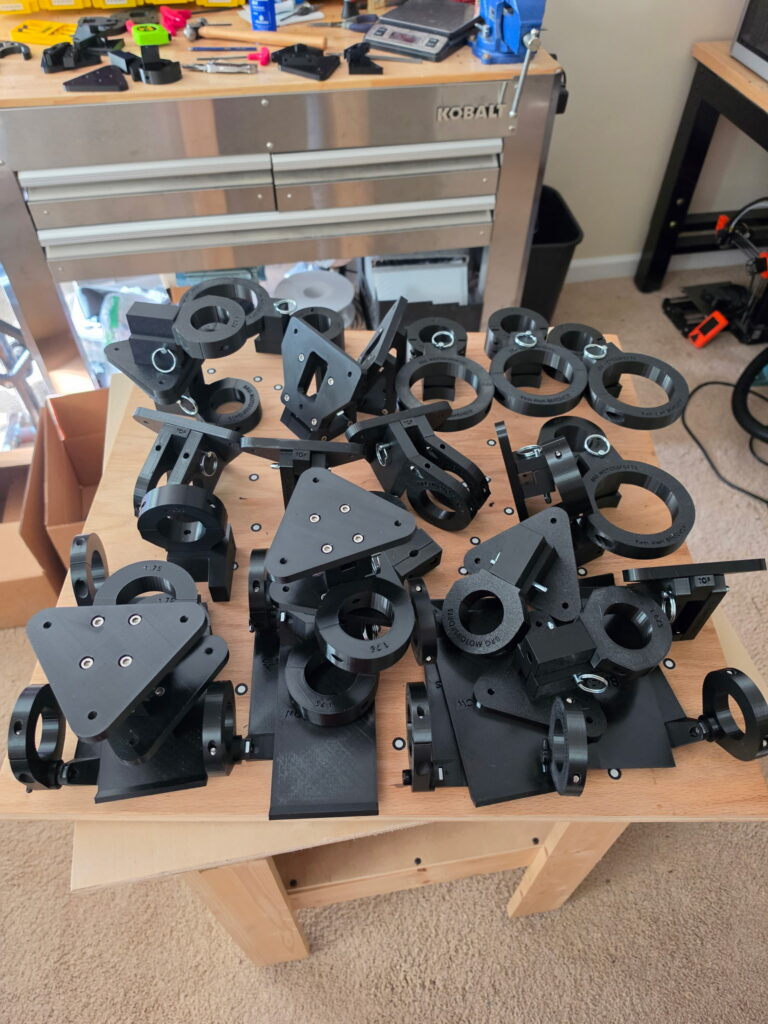
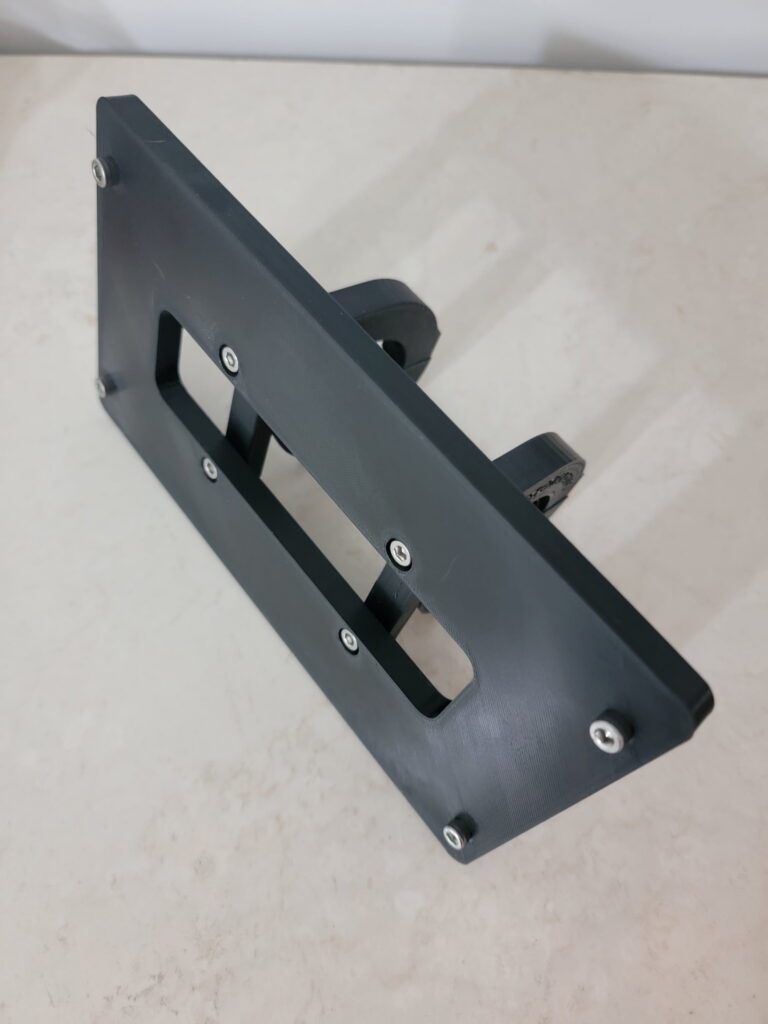
BRG supplies mounting products for K&R Performance Engineering, including fixed-angle and swivel mounts for the company’s Pro-Cube delay boxes. K&R offers BRG-produced mounts for both 1 5/8-inch and 1 3/4-inch roll bars, with quick-release pins allowing the Pro-Cube to be removed when a racer switches into a no-box category.
The swivel version allows the box to be positioned at nearly any angle, addressing another common challenge in cramped or uniquely configured cockpits.
Supplying products directly for a respected racing-electronics company represents an important level of validation. It means BRG’s products are not simply being used on Garrett’s own car or sold individually through social media. They are being paired with equipment racers rely on during competition.
When You Call, You Get the Racer Who Designed It
BRG Motorsports remains the kind of small, racer-owned company that drag racing has always been built around.
When someone contacts the business, that person is dealing with Garrett—not a representative reading from a product description and not a customer-service department unfamiliar with the difference between a delay box and a dial board.
Garrett understands the questions because he understands the sport.
He knows why a racer may need to remove a delay box for a no-box race. He understands why tubing diameter matters. He understands how limited space can be inside a dragster or door-car cockpit. Most importantly, he knows that a product designed for racers has to survive being used by racers.
That direct relationship also allows new products to develop organically. A racer identifies a problem, Garrett listens, and an idea begins moving from conversation to CAD model, prototype and eventually a finished component.
It is the same process that began with a few personal projects and another racer asking for helmet hooks.
An Engineer’s Solution to a Racer’s Problem
The story of BRG Motorsports is not really about 3D printers.
The printer is simply a tool.
The story is about a racer recognizing small problems within the sport, using his professional expertise to solve them and building a business that helps support his own racing along the way.
It is about understanding that innovation does not always arrive as a revolutionary engine component or a piece of technology that transforms the entire sport. Sometimes innovation is a better way to mount a delay box, hold a helmet, position a camera or keep a tiny air bleed from disappearing into an engine.
Garrett has built BRG Motorsports by paying attention to those details—and refusing to release a product until he believes it is ready for the racers who will trust it.
That is the kind of small business drag racers understand.
More importantly, it is the kind they are proud to support.